Spring Bars & Quick-Release Watch Straps — Complete Guide
The tiny pin that holds your strap on — and how to swap it in under 30 seconds.
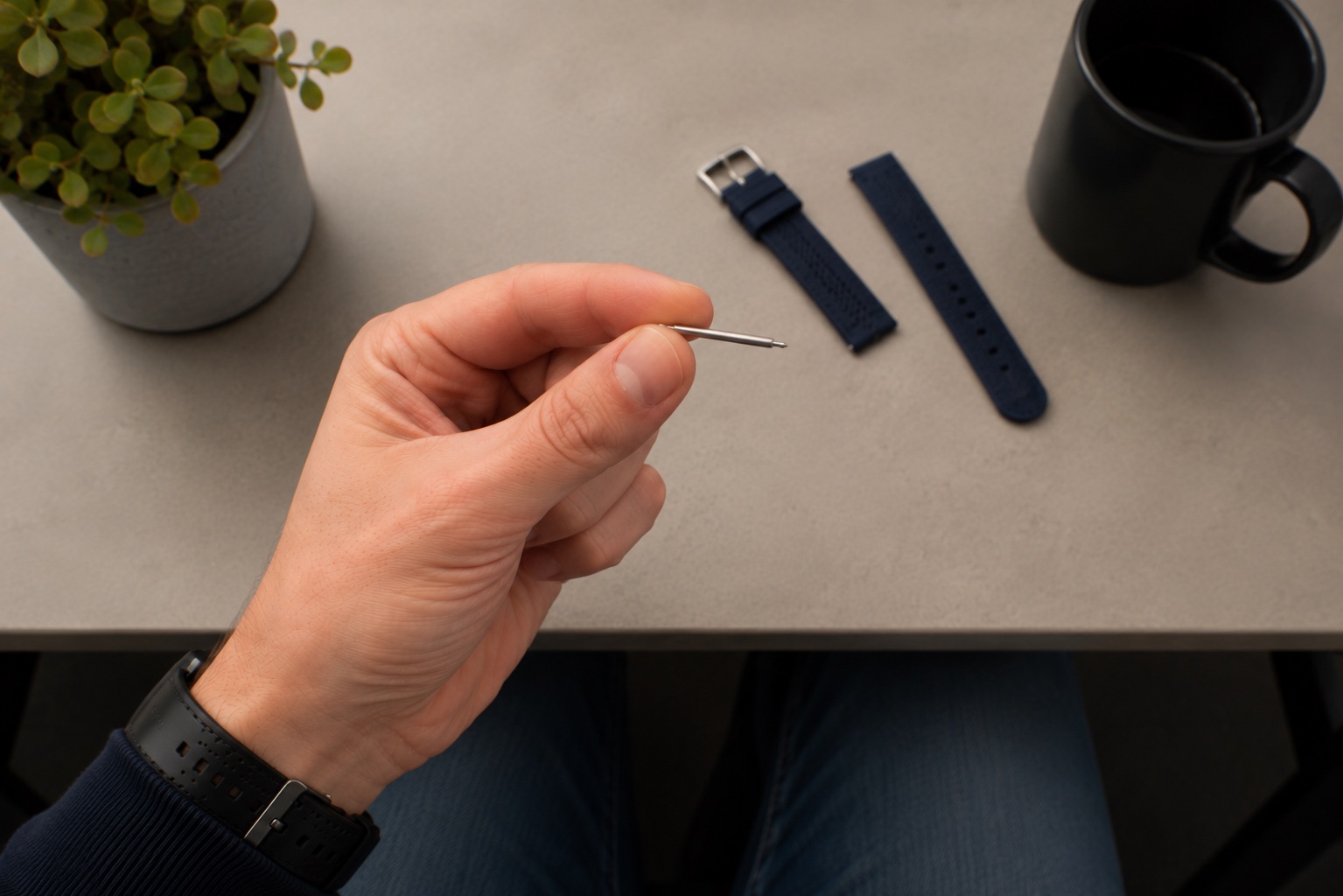 Spring Bars & Quick Release Straps
Every strap on every watch — except NATO straps — is held in place by two spring bars: tiny cylindrical pins with spring-loaded ends that compress to fit between the lugs and then spring out to lock in place. Understanding spring bars is the single most useful thing a watch collector can know. It's what lets you change a strap in 30 seconds without scratching the case, buy quick-release straps that need no tool at all, and never be stuck with the strap your watch shipped with. This guide covers everything: standard spring bars, quick-release pins, spring bar sizes, tools, and technique.
28 cheap spring bars & quick release straps on other sites
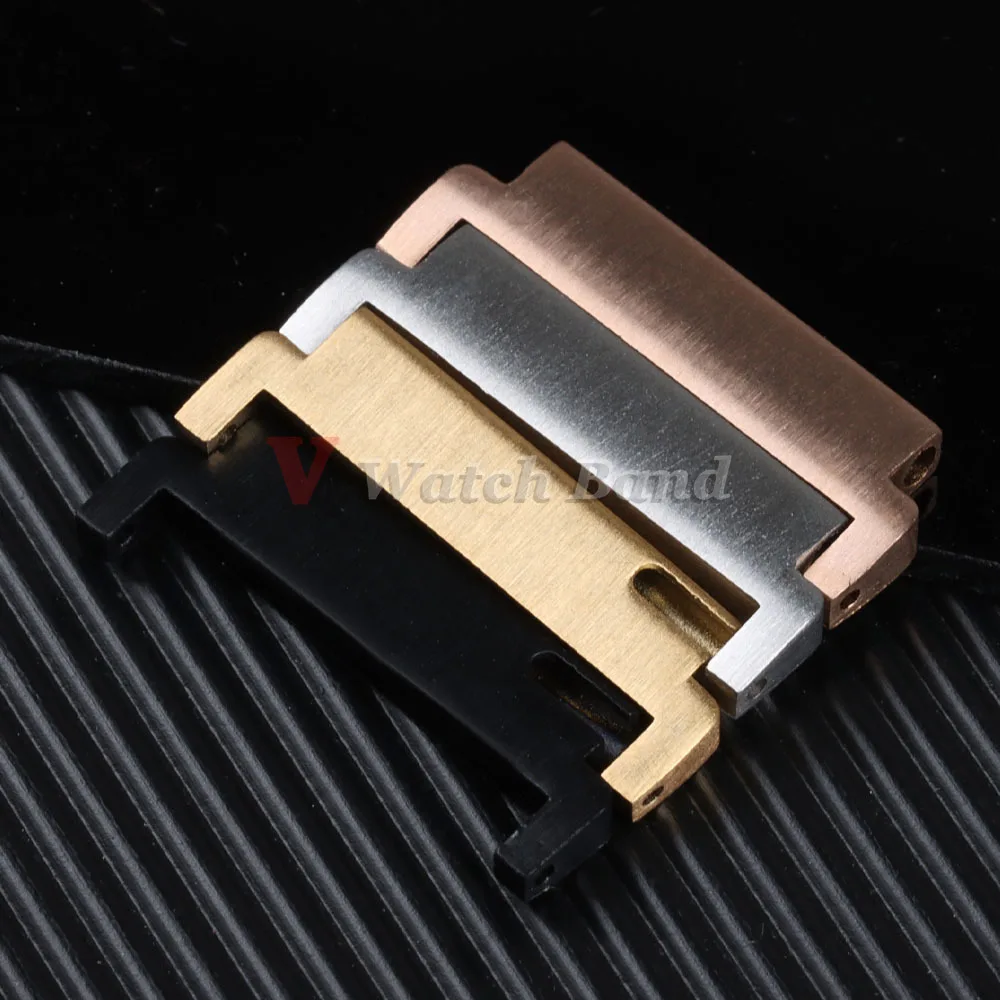
2pcs Quick Release Pins Connectors Strap Adapters 20mm To 18mm 20mm 22mm To 22mm 22mm To 20mm Watch Band Spring Bars Accessories

Stainless Steel Watch Strap Bracelet 20mm 22mm Breathable Women Men Watchbands Quick Release Spring Bar Band Accessories
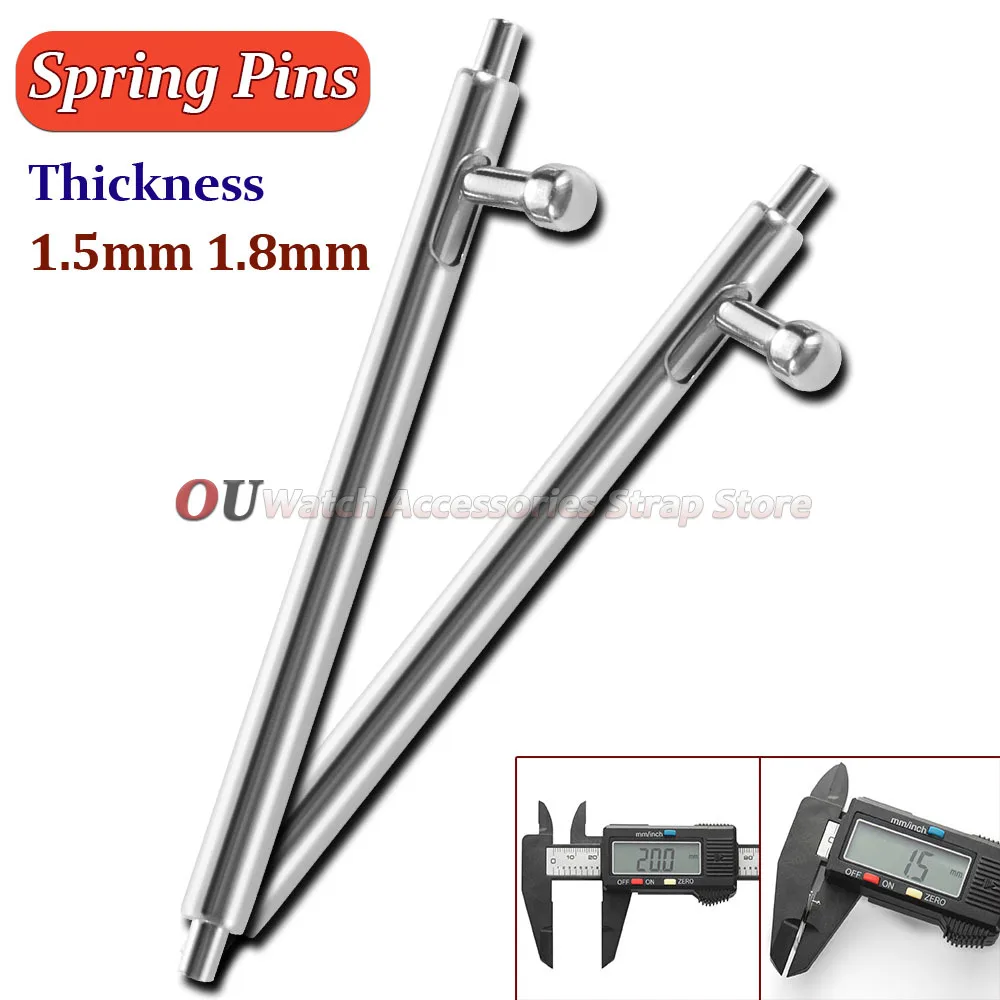
20pcs 12 13 14 15 16 17 18 19 20 21 22 24mm Watch Band Full Stainless Steel 1.5mm 1.8mm Spring Bars Quick Release Strap Link Pin
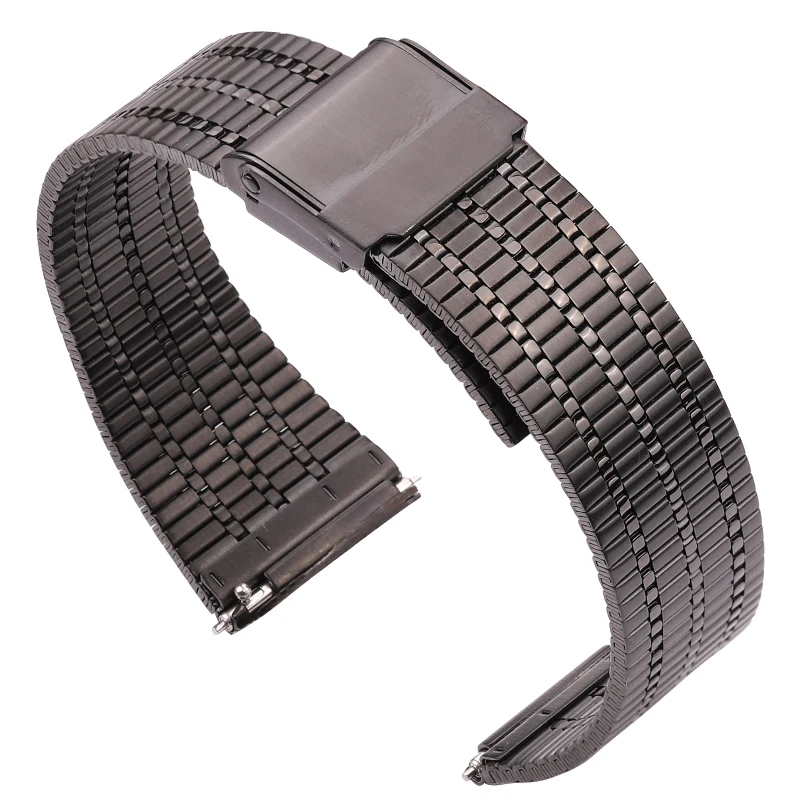
Stainless Steel Watch Bracelet Band 20mm 22mm Thin Breathable Women Men Strap Quick Release Spring Bar Watchband
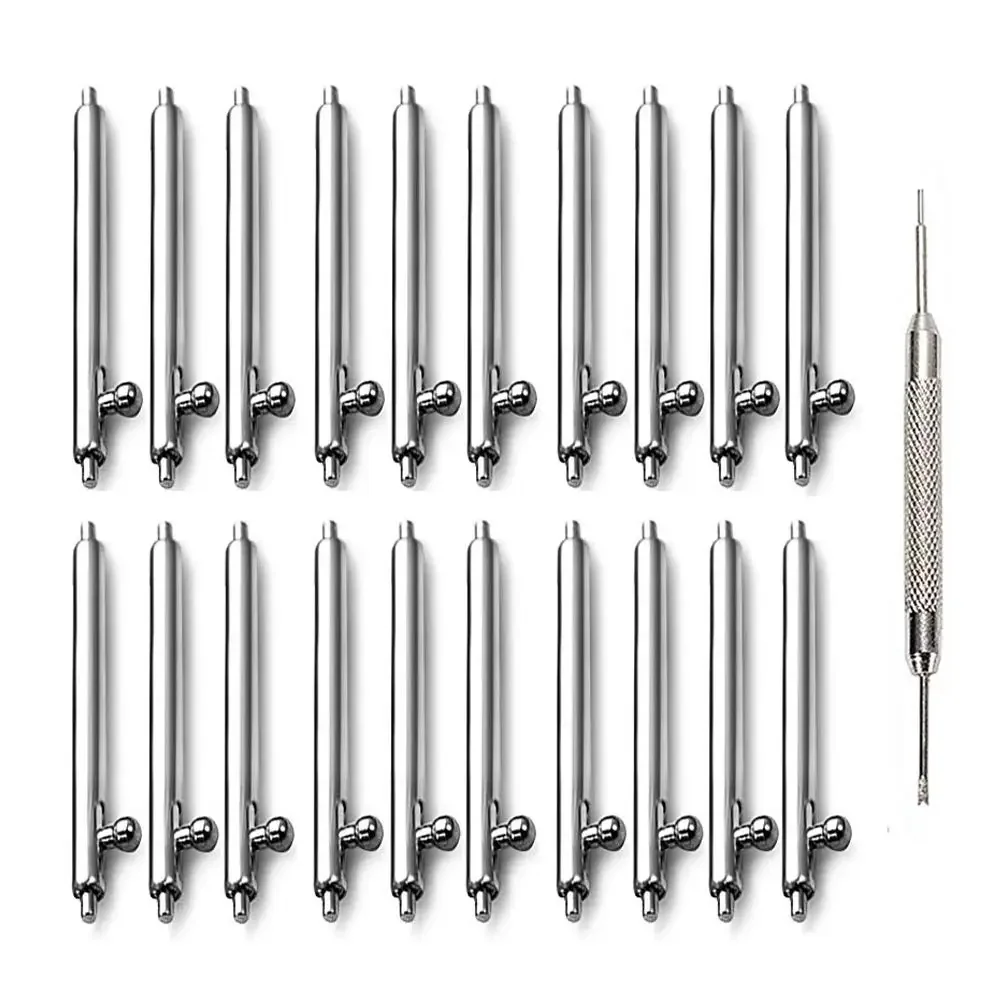
20MM 22MM 10PCS 1.8mm Diameter Watch Pin Pepair Tools & Kits Quick Release Watch Strap spring Bars Pins 24mm 18MM 23MM 16MM 19MM
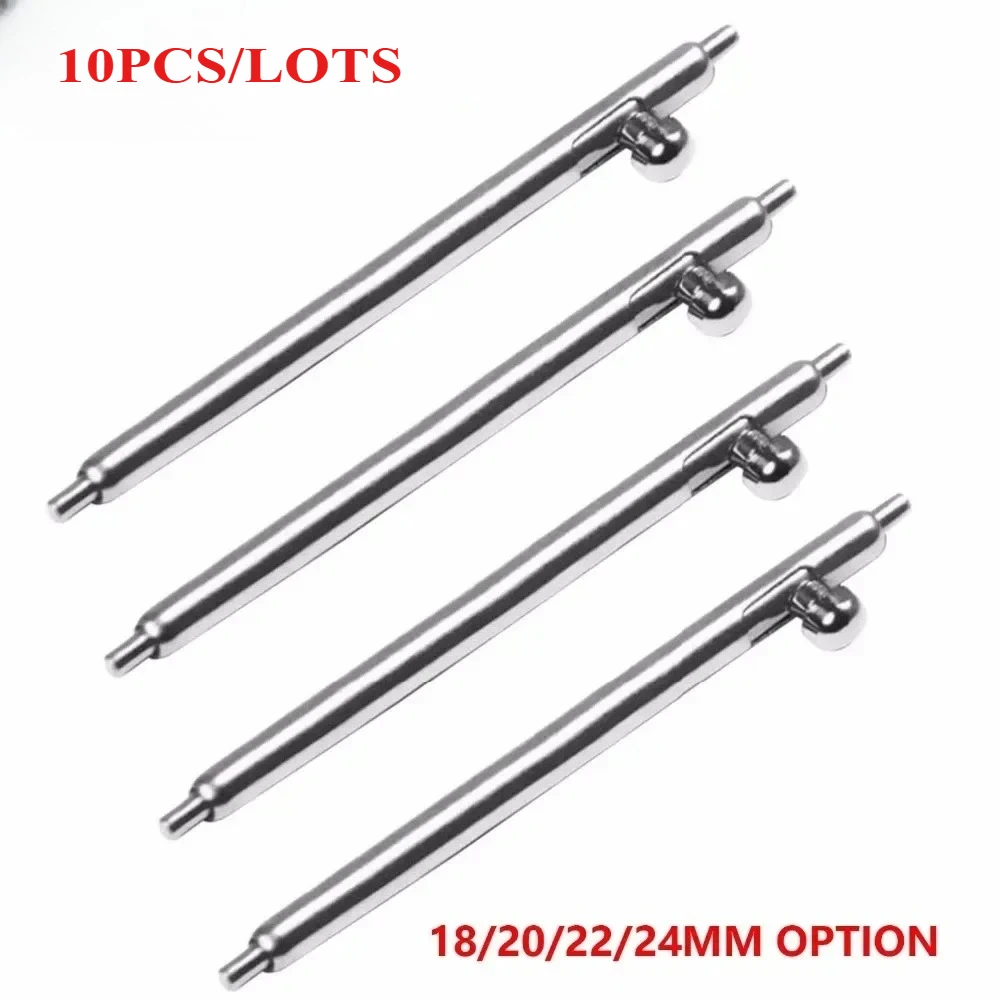
18mm 20mm 22mm 24mm Quick Release Spring Bars Pins For Sumsung Gear S2 S3 Pins Watch Strap Replacement Band- 10Pcs/lot
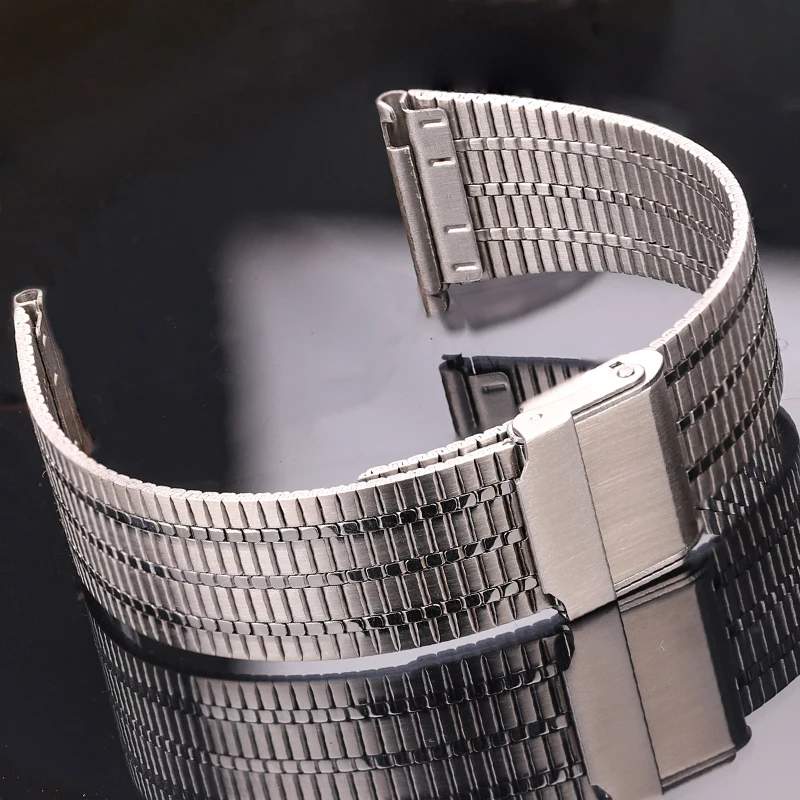
Thin Breathable Watchbands Stainless Steel Watch Bracelet Band 20mm 22mm Women Men Strap Quick Release Spring Bar
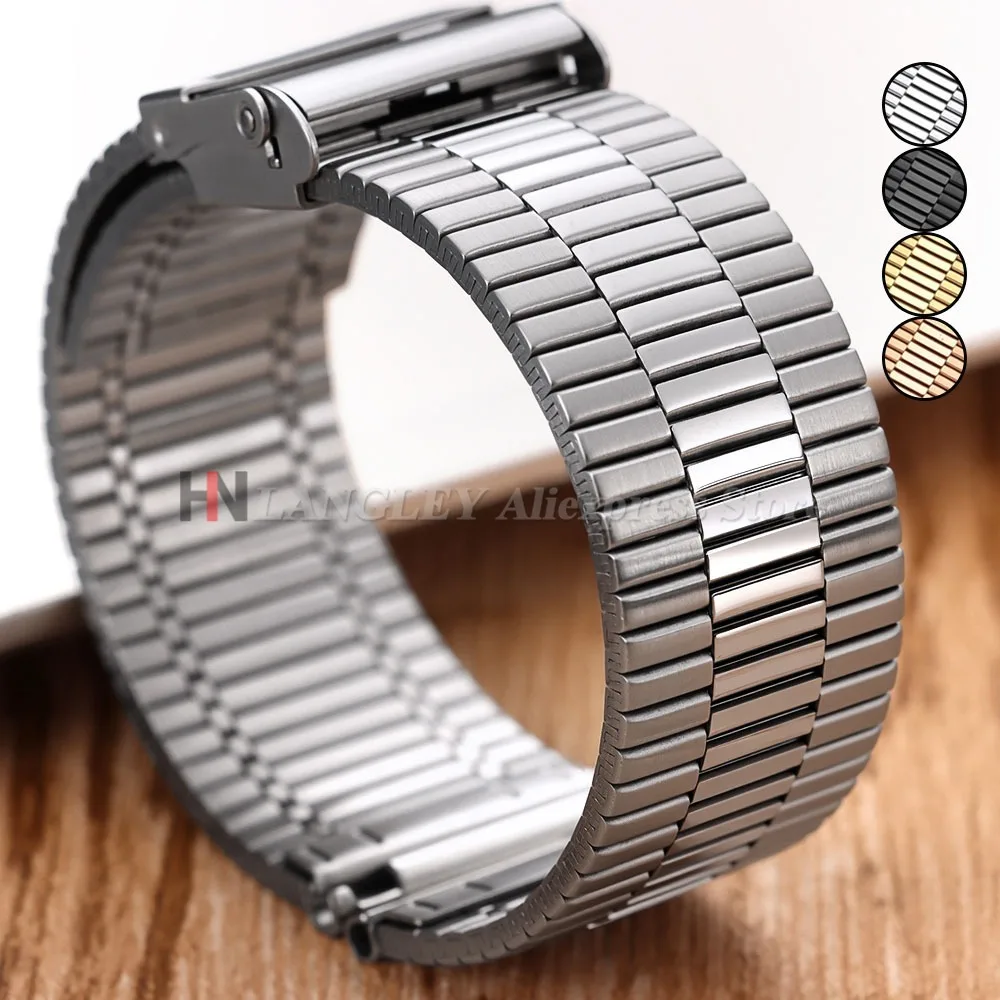
Stainless Steel Watch Strap Bracelet 20mm 22mm Matte & Polishing Women Men Watchband Quick Release Spring Bar Band Accessories
What is a spring bar?
A spring bar is a small metal tube — typically 1.5mm in diameter — with a spring-loaded pin at each end. When you compress both pins simultaneously, the overall length shortens enough to fit between the watch lugs. When released, the pins spring out into the drilled or pierced holes in the watch lugs, locking the strap in place. Standard spring bars are made from 316L stainless steel and are sized by lug width (16mm, 18mm, 20mm, 22mm) and tube diameter (thin 1.5mm for normal straps, fat 1.8mm for heavy metal bracelets). The spring bar must match your lug width exactly — a spring bar that's too short won't lock into the lug holes; one that's too long won't compress into the space between the lugs.
Quick-release spring bars
Quick-release spring bars (also called push-button spring bars or 'easy link' spring bars) have a small lever or button on one end that you press with your fingernail to compress one side — allowing strap removal without any tool. The lever is typically on the underside of the strap end, hidden from view. Premium strap brands (Delugs, Horus, Crown & Buckle) fit quick-release pins as standard on most of their leather and rubber straps. affordable straps frequently offer quick-release as an option. The trade-off versus standard spring bars is that the lever mechanism adds a small amount of width that may not fit watches with very tight lug-to-lug clearance, and the lever can occasionally release accidentally if caught on clothing — though this is rare with quality pins. For everyday strap-swapping, quick-release is a significant quality-of-life upgrade.
How to change a strap with a spring bar tool
The standard spring bar tool has a forked tip — two tines with a small gap between them. To remove a strap: slide the forked tip between the strap and the lug, with one tine above the spring bar's shoulder and one below. Apply sideways pressure toward the center of the watch to compress the spring bar, then lift the strap end free while keeping the bar compressed. Repeat for the other side. The most common mistake is applying pressure in the wrong direction — you're compressing the bar inward (toward the watch center), not down or up. Work slowly, protect the case with a soft cloth, and grip the spring bar loosely with your fingertip so it doesn't fly across the room when it releases. Installing a new strap reverses the process: compress one side of the spring bar, seat it in one lug hole, then compress the other side to fit it into the opposite hole.
Spring bar sizes and compatibility
Spring bars are sized by their expanded length, which should match your watch's lug width (the distance between the lugs where the strap sits). A 20mm lug width takes a 20mm spring bar. The tube diameter matters for bracelet applications: standard straps use 1.5mm diameter bars; metal bracelets require 1.8mm thick bars rated for heavier loads. Spring bar length is the only dimension that varies by watch — diameter and spring tension are standardized across the industry. If you don't know your lug width, measure it with a digital caliper between the lugs, or check your watch's specifications online. Most watches use 18mm, 19mm, 20mm, or 22mm. Mixed-message tip: the strap width is always the lug width — a '20mm strap' takes '20mm spring bars.'
Spring bar tools: what to buy
The Bergeon 6767 is the gold-standard spring bar tool — a Swiss-made, precisely machined tool with a pointed end for prying and a forked end for spring bars, available for $20–$30. It's what watchmakers use. For home use, an other sites spring bar tool at $3–$6 performs the same function with slightly less precise machining. The key spec is the fork gap: it must be narrow enough to engage the spring bar's shoulder without slipping. Cheap tools with bent or poorly formed tines cause more scratches and frustration than the tool cost you. A $5–$8 other sites tool with good reviews and a metal (not plastic) body is the minimum to buy. The Bergeon is worth it if you change straps frequently or work on valuable watches.
Frequently asked questions
What spring bar tool should I buy?
For occasional use, a $5–$10 other sites spring bar tool with a metal body and well-formed fork works fine. Look for tools with both a fork tip and a pointed tip — the fork for spring bar compression, the point for prying between strap and lug on NATO-style removal. If you change straps regularly or own watches with precious metal cases where scratches matter, buy the Bergeon 6767 ($20–$30). Its precision machining is noticeably better and the tip is narrower, reducing scratch risk on tight lugs. Avoid plastic-bodied tools entirely — they flex under load and are imprecise. The Bergeon 6767-F (with handle) is the version most watchmakers use; the 6767-S without handle is slightly smaller for tighter spaces.
How do quick-release watch straps work?
Quick-release straps use spring bars with a built-in lever mechanism at one end. To remove the strap, you press the lever (typically on the underside of the strap end near the lug) with your fingernail. This compresses the spring bar on one side, allowing that end to drop out of the lug hole. You then pull the strap end free and compress the other side by hand. No tool required. Installation works the same as a standard spring bar in reverse: compress, seat in one lug, compress, seat in the other. The lever is designed to be fingernail-operable but resistant to accidental release — it requires deliberate inward pressure, not incidental contact. Quick-release pins are the same outer diameter (1.5mm) as standard spring bars and are compatible with any watch that accepts a standard strap.
How do I know what size spring bars my watch needs?
You need the lug width — the distance in millimeters between the two lugs where the strap or bracelet sits. For most watches, this information is in the product specifications on the manufacturer's website or in the owner's manual. You can also measure it directly with a digital caliper placed between the inside faces of the lugs. Common sizes: 18mm (smaller dress watches, Seiko 5 sports), 19mm (Rolex Explorer, some vintage Omega), 20mm (Rolex Submariner, Omega Seamaster 300M, Tudor Black Bay), 22mm (IWC Big Pilot, Breitling Navitimer, Panerai Luminor). Your spring bar order should match this width exactly. The tube diameter is 1.5mm for standard strap applications.
Can any watch accept quick-release spring bars?
Almost any watch with standard drilled lug holes can accept quick-release spring bars — the pin dimensions are identical to standard spring bars. The one compatibility issue is lug clearance: quick-release bars have a lever that sits on the underside of the strap end near the lug, which requires about 0.5mm of clearance between the strap end and the inside of the lug. On watches with very tight, narrow lugs (some vintage dress watches, a few modern watches with close-set lugs), the lever may not fit without interference. The easiest test is to order a quick-release strap or a set of QR spring bars and try fitting them — if the lever is obstructed, your watch has tight lugs and you'll need standard spring bars.
How often should spring bars be replaced?
Standard spring bars rarely fail and don't have a prescribed replacement interval. The risk of failure is highest on well-worn bars with visible corrosion, visible wear marks on the shoulders, or reduced spring tension (the strap feels slightly loose where it attaches to the lug). In practice, most watchmakers recommend replacing spring bars when you replace a strap — they're $2–$5 for a pack of 10 and the insurance value is high. If you wear a watch daily and the spring bars are original and several years old, replacing them proactively is cheap peace of mind. Quick-release bars should be inspected for smooth lever operation — if the lever feels stiff or doesn't spring back cleanly, replace them.
Find a dupe for a specific strap
Paste a product URL from any premium strap brand and we'll match it to affordable alternatives.
Try the tool →