The Best Aftermarket Watch Bracelets
Metal oyster, jubilee, milanese, and beads-of-rice bracelets — without the brand markup.
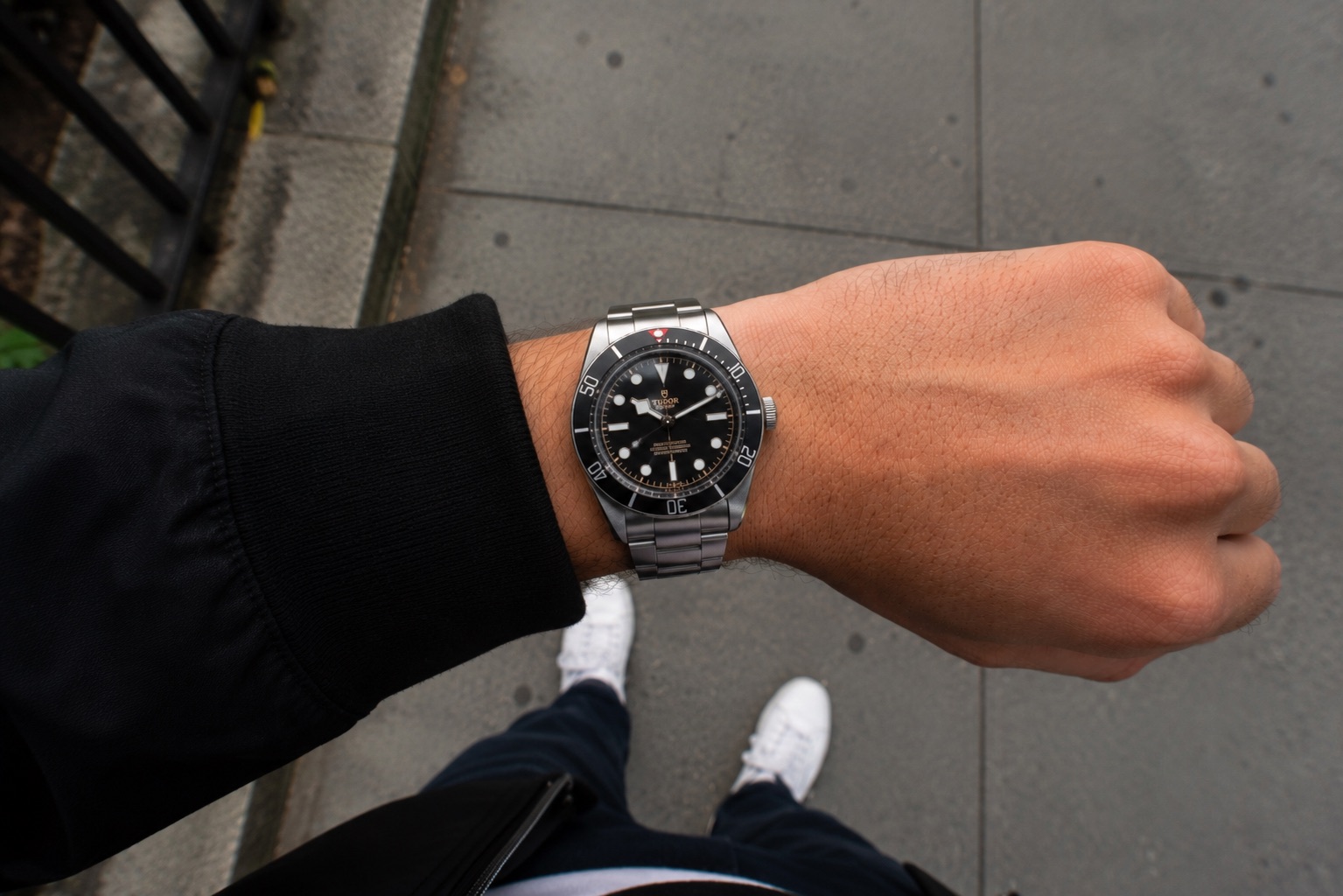 Best Aftermarket Metal Watch Bracelets
Metal watch bracelets are the most expensive aftermarket replacement for almost any watch. Rolex charges $400–$700 for an OEM Oyster or Jubilee bracelet. Omega charges $300–$500 for a milanese. The best aftermarket watch bracelets — oyster-style, jubilee-style, milanese mesh, and beads-of-rice — use the same 316L stainless steel and cost $8–$25. For most watches, the visual and functional difference between a $15 aftermarket bracelet and a $500 OEM bracelet is very small.
Curated guide
Best watches for best aftermarket metal watch bracelets
18 cheap best aftermarket metal watch bracelets on other sites

For Black Bay 41/Black Bay 58 Watch Band 20mm 22mm Luxury Curved End Silver Steel Jubilee Strap Bracelet Oyster Clasp
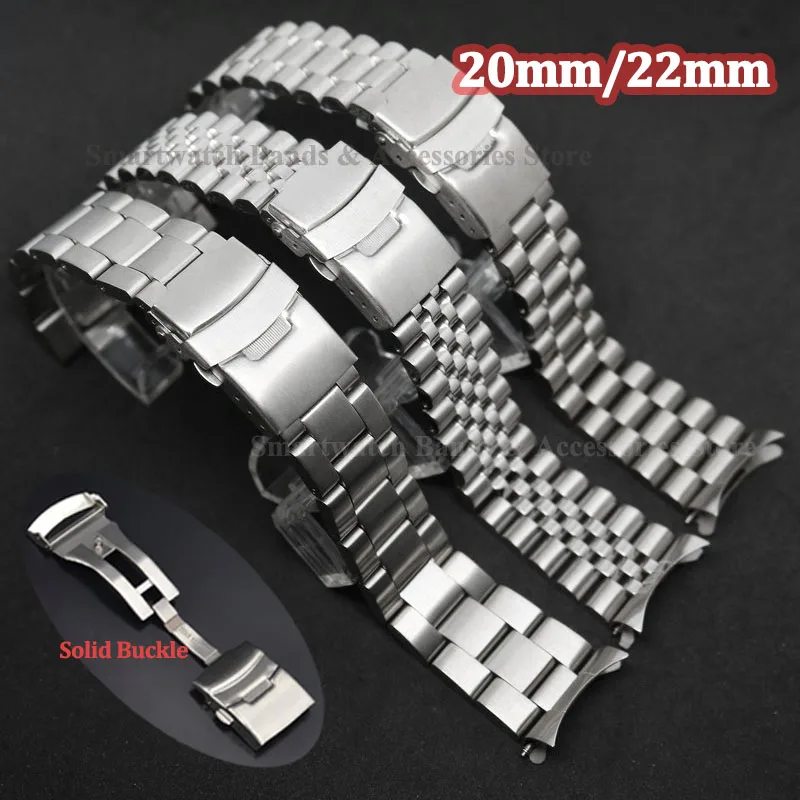
20mm 22mm Stainless Steel Watch Strap for Seiko SKX007 Luxury Wrist Band for Oyster for Jubilee Curved End Bracelet Accessories
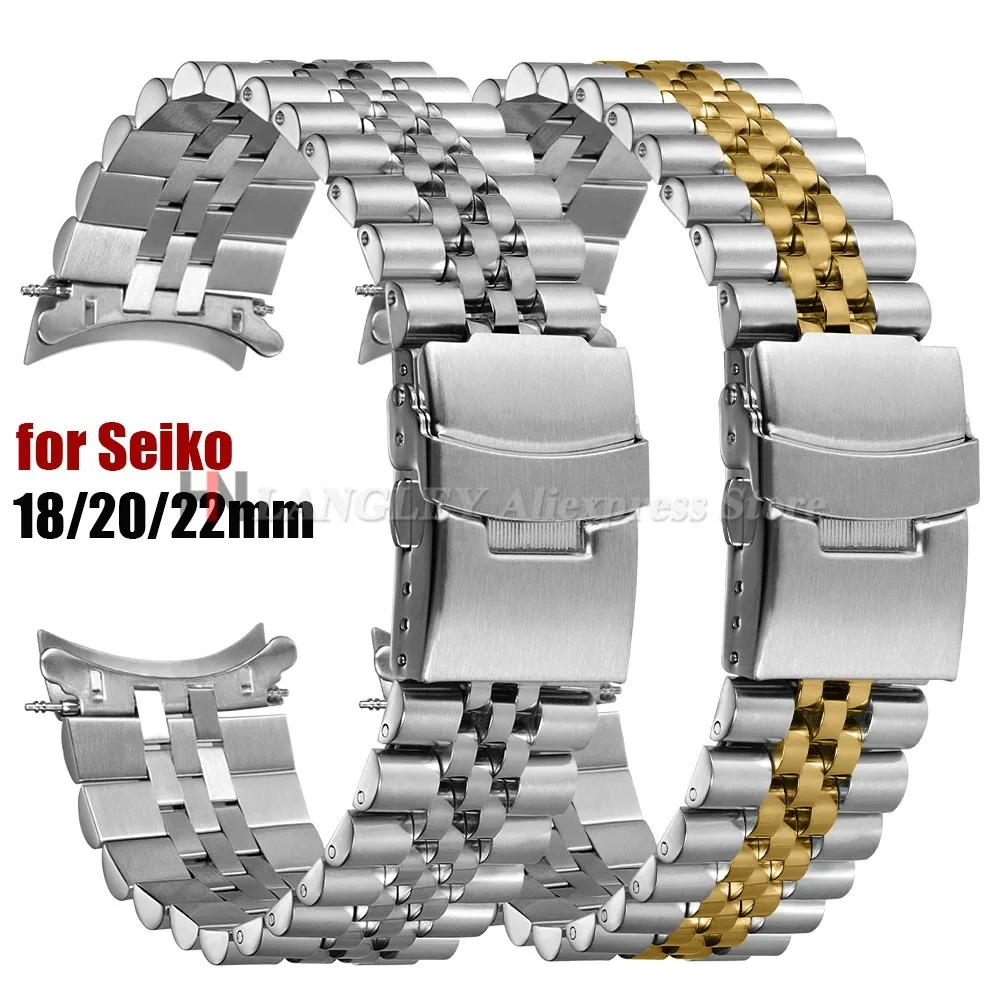
Curved End Stainless Steel Watch Strap for Seiko 5 SKX009/007 for Jubilee for Oyster Watch 18mm 20mm 22mm Men's Sport Bracelets
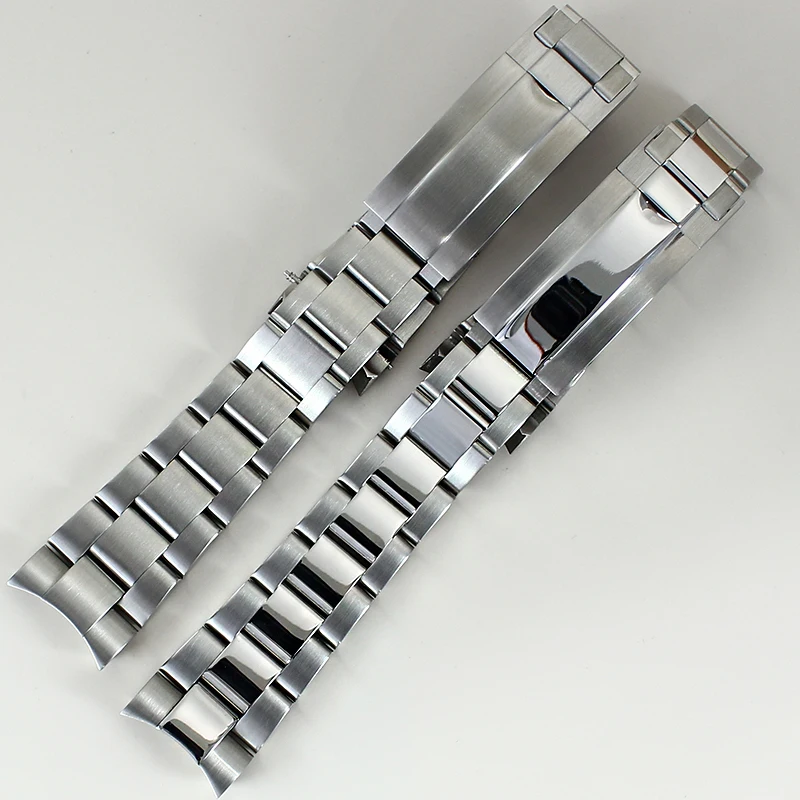
20mm Watch Strap Folding Buckle Sliding Lock Solid Stainless Steel Watchband For SUB GMT Watch Parts for Oyster/Jubilee Bracelet
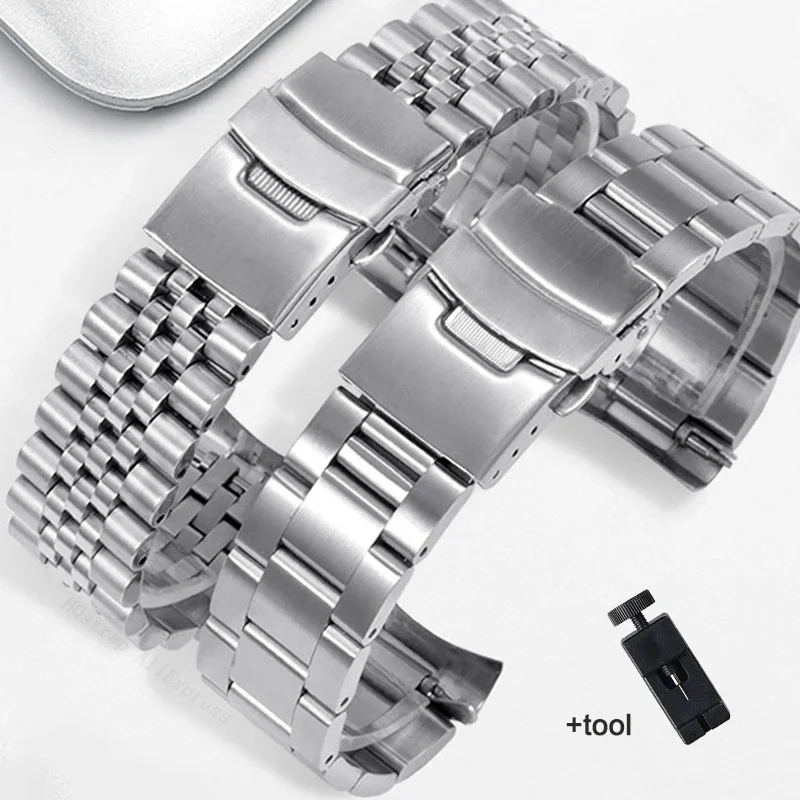
Stainless Steel Strap for Seiko Watch Band 18mm 19mm 20mm 21mm 22mm 23mm 24mm 26/28/30mm for Oyster for Jubilee Curved Bracelet
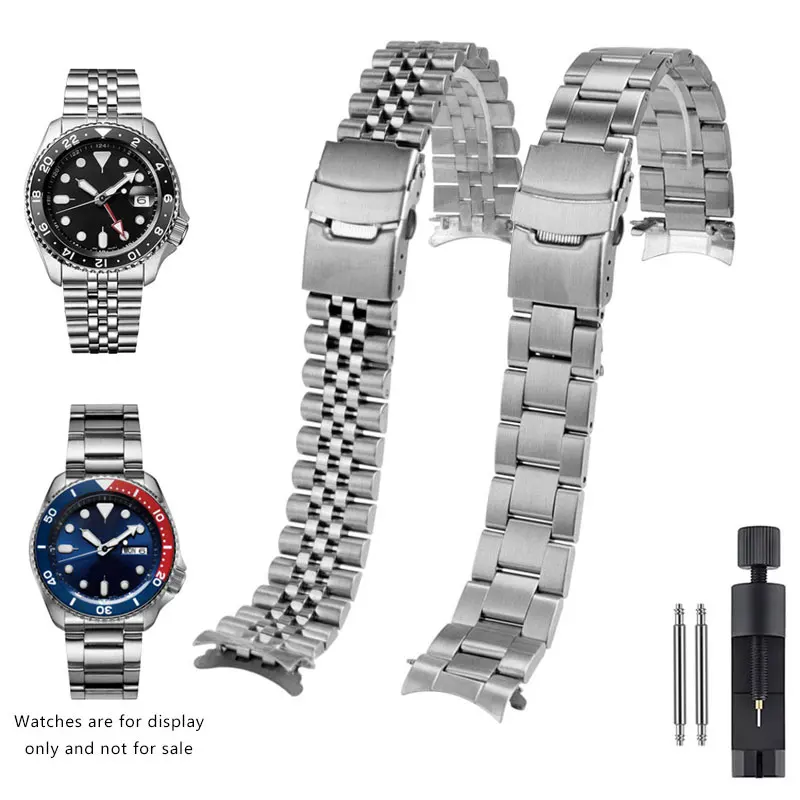
316L Stainless Steel Strap for Seiko SKX007/009 Watch 20mm 22mm for Oyster for Jubilee Curved Bracelet Luxury Solid Buckle
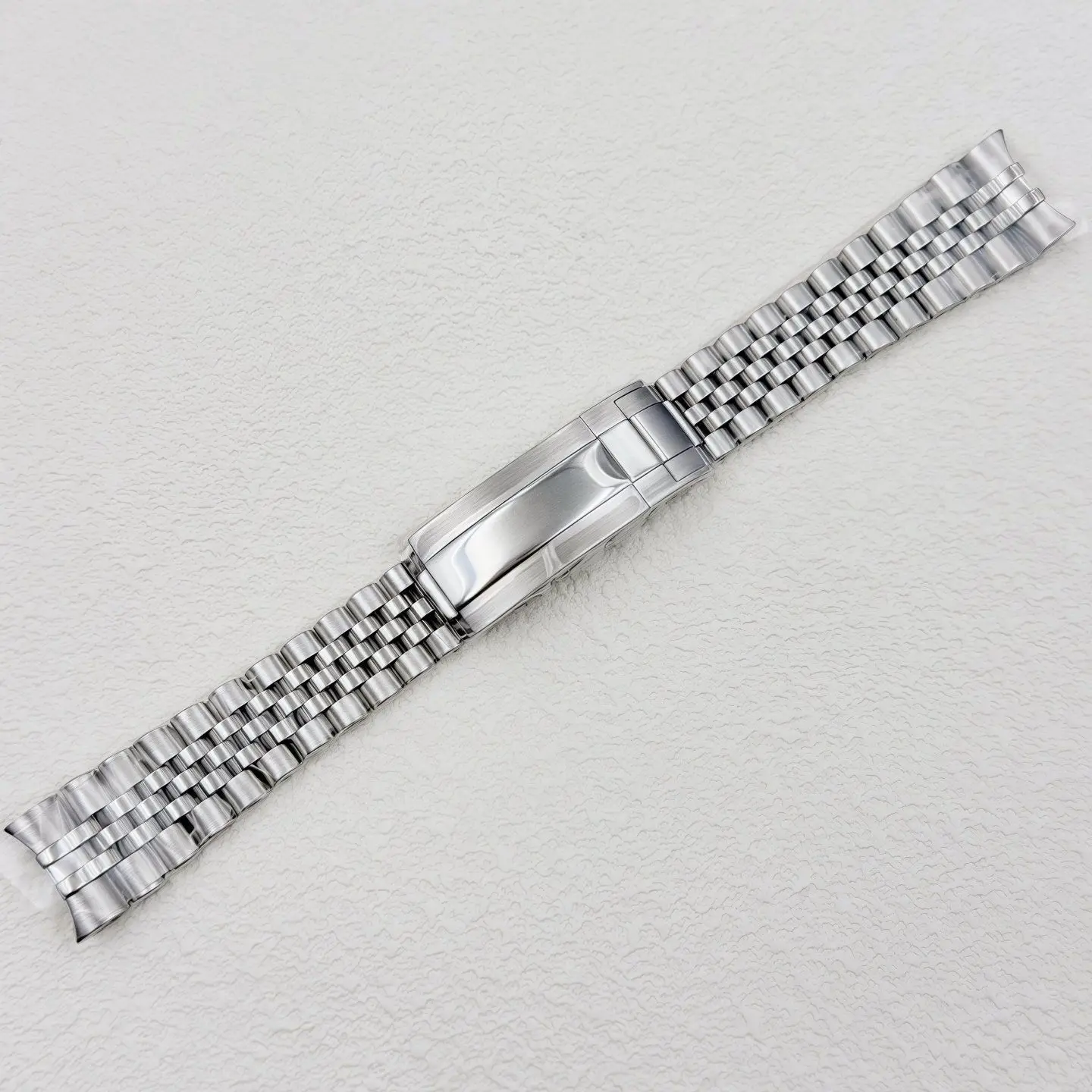
20mm silver solid stainless steel Jubilee watchband for Rolex Perpetual Oyster DateJust strap metal wristband watch bracelet
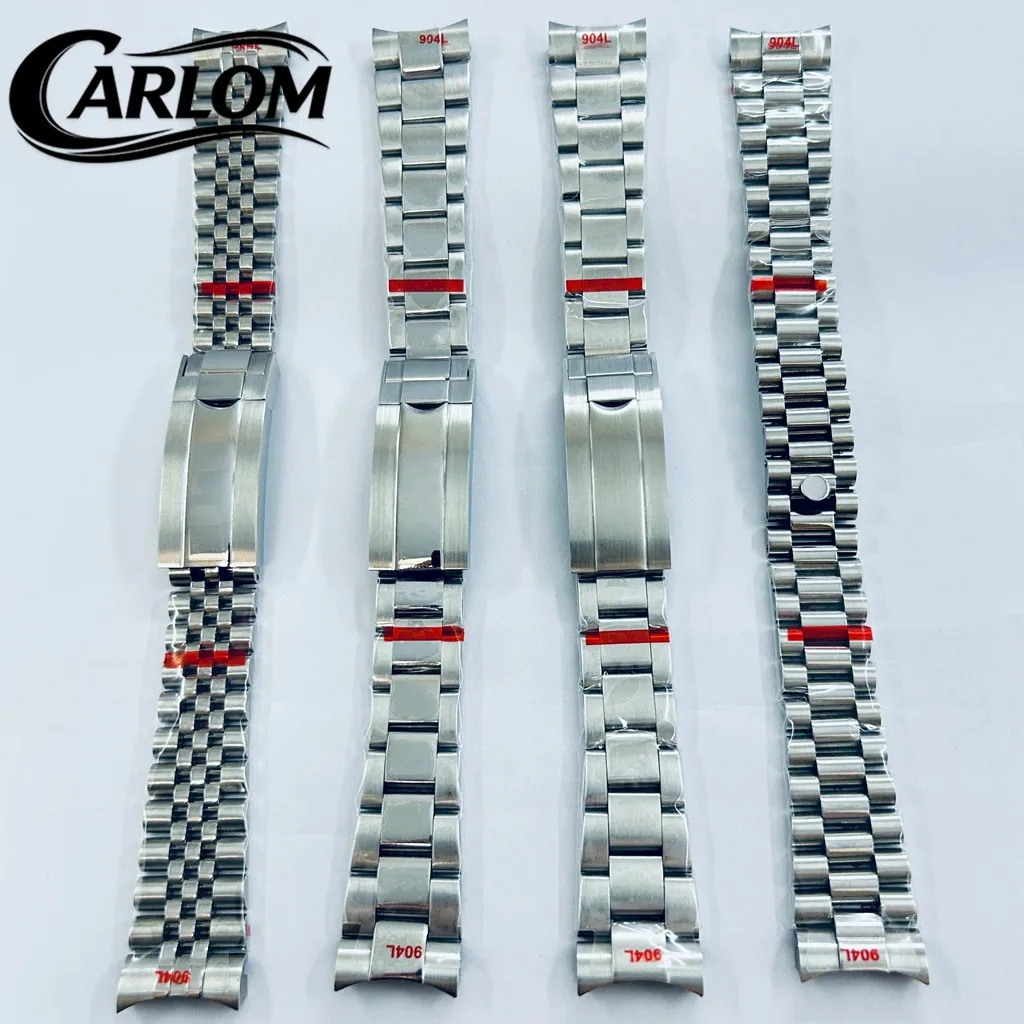
20mm No Logo Solid Stainless Steel Watch Band Bracelet Glide Lock Clasp For DJ SUB Oyster Jubilee Presidential Style Watch Parts
Aftermarket bracelet styles compared
Four styles dominate the aftermarket bracelet market. Oyster (three-link construction — wide brushed centre link flanked by two polished outer links; sport character; found on Submariner, GMT-Master, Explorer) runs $10–$25 aftermarket. Jubilee (five-link construction — three rounded centre links flanked by two flat outer links; dressy character; found on Datejust, Pearlmaster) also runs $10–$25. Milanese mesh (finely woven stainless weave, flexible and breathable, looks polished on dress watches) runs $8–$20. Beads of rice (small oval links in alternating polish/brush, vintage character from 1960s Omega Constellation and Seiko; popular revival style) runs $10–$20. All four styles are available from $8–$25 in 316L stainless steel across 18mm, 19mm, 20mm, and 22mm lug widths.
What to look for in an aftermarket metal bracelet
Three things matter most: finishing quality, clasp mechanism, and link adjustment. Good finishing means polished links are mirror-bright (not hazy or scratched), brushed links have consistent unidirectional grain, and there are no casting seams or rough edges at link junctions — zoom into product photos before buying. The clasp should close with a positive click; double-fold-over clasps with a safety lock are standard on quality options. Link adjustment should allow removal via a pin punch tool (usually included) or a push-button micro-adjust system. Sellers with 4.7+ stars and 300+ orders consistently deliver acceptable finishing quality. Below that threshold, finishing variance increases significantly.
How to measure your watch for an aftermarket bracelet
You need two measurements: lug width and end link profile. Lug width is the gap between lugs in millimetres — this is the spec you order by (18mm, 20mm, 22mm, etc.). End link profile matters for fit against the case: straight end links leave a small gap against curved lug cases; curved end links hug the case profile. For popular references (Rolex Submariner, Omega Seamaster, Tudor Black Bay, Seiko SKX), budget sellers list case-specific variants with profiled end links. For less common watches, order straight-end-link bracelets and confirm the gap is acceptable before wearing daily. Most aftermarket bracelets ship with extra links — size down to leave two fingers of slack at the wrist.
Frequently asked questions
Are cheap metal watch bracelets worth it?
For most watches, yes. A well-reviewed affordable steel bracelet ($10–$20) uses 316L stainless steel — the same alloy used by nearly all watch brands at this price tier. The main differences vs. premium bracelets are: finishing precision (polished vs. brushed transitions may be less crisp), clasp feel (button travel and click may be softer), and link tolerance (slight rattle when worn). For daily wear on a mid-range watch, these differences are marginal. For a luxury watch where the bracelet is a significant part of the value proposition, affordable bracelets are better as backup or travel options.
What is the difference between an Oyster and Jubilee bracelet?
An Oyster bracelet uses three links per row — one wide centre link flanked by two narrower outer links. It has a robust, sport-oriented look. A Jubilee bracelet uses five links per row — three narrow centre links flanked by two wider outer links — giving it a dressier, more intricate appearance. Rolex uses the Oyster on the Submariner and Explorer, and the Jubilee on the Datejust. Both are available as aftermarket options in 20mm for $10–$20.
What is a beads-of-rice bracelet?
A beads-of-rice bracelet uses small, oval-shaped links that resemble rice grains in alternating polished and brushed finishes. The style originates from vintage Omega Constellation and Seiko references from the 1960s–70s and has recently come back into fashion. other sites beads-of-rice bracelets in 20mm are available for $10–$18 and are a popular alternative to pricier Omega and Seiko replacement bracelets.
How do I adjust a metal watch bracelet from other sites?
Most other sites metal bracelets adjust by removing links using a pin punch tool — usually included in the package. Push the pins out of the links you want to remove, then reattach the clasp end. Some bracelets use a micro-adjust clasp with a 3–5 position ratchet for fine-tuning without removing links. If your bracelet includes a tool but no instructions, search YouTube for '[bracelet type] link removal' for a visual guide. Getting the fit right is worth the effort — a properly fitted metal bracelet should allow one finger of slack at most.
Types of best aftermarket metal watch bracelets
Explore the subtypes — each has its own guide with affordable picks.
Find a dupe for a specific strap
Paste a product URL from any premium strap brand and we'll match it to affordable alternatives.
Try the tool →