Best Metal Watch Bracelet Replacements
Replacing a metal watch bracelet through your watch's brand is one of the most expensive things you can do in the hobby. Rolex charges $400–$700 for an Oyster bracelet. Omega charges similar for a milanese. The official bracelet for a mid-range Swiss watch routinely costs more than the watch cost used.
The aftermarket alternative — made from 316L stainless steel with the same link structure, the same clasp mechanism, and finished to a standard that's genuinely hard to distinguish at arm's length — is $10–$35 on other sites. The real differences are in steel grade (904L for Rolex originals, 316L everywhere else), finish precision, and clasp tolerances. For 95% of wearers, the aftermarket bracelet is the correct answer.
Which bracelet style is right for you
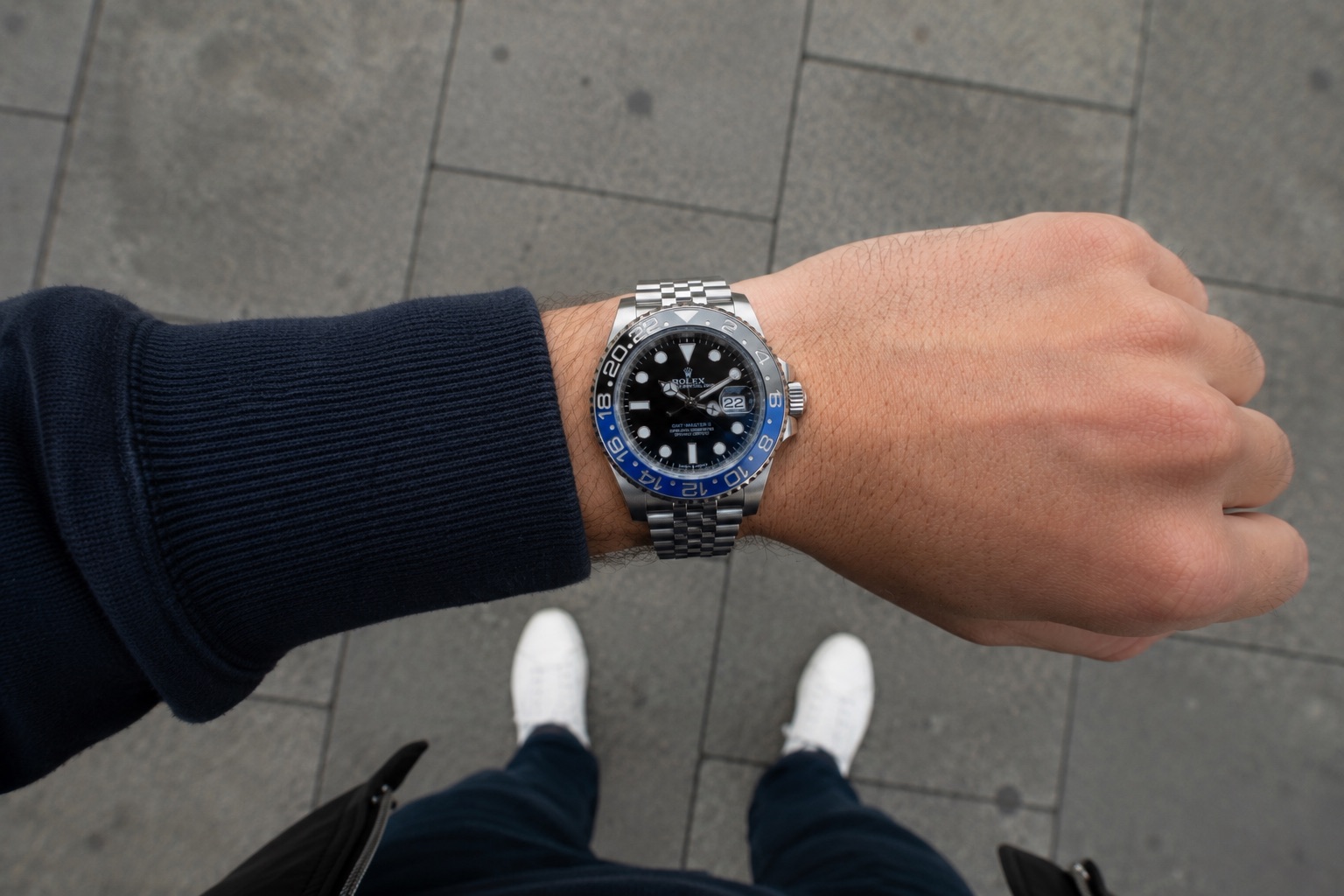
Oyster Watch Bracelets
3-link sport bracelet. The standard on Submariner, GMT, and Explorer — and on any sport watch at any price.
Read guide →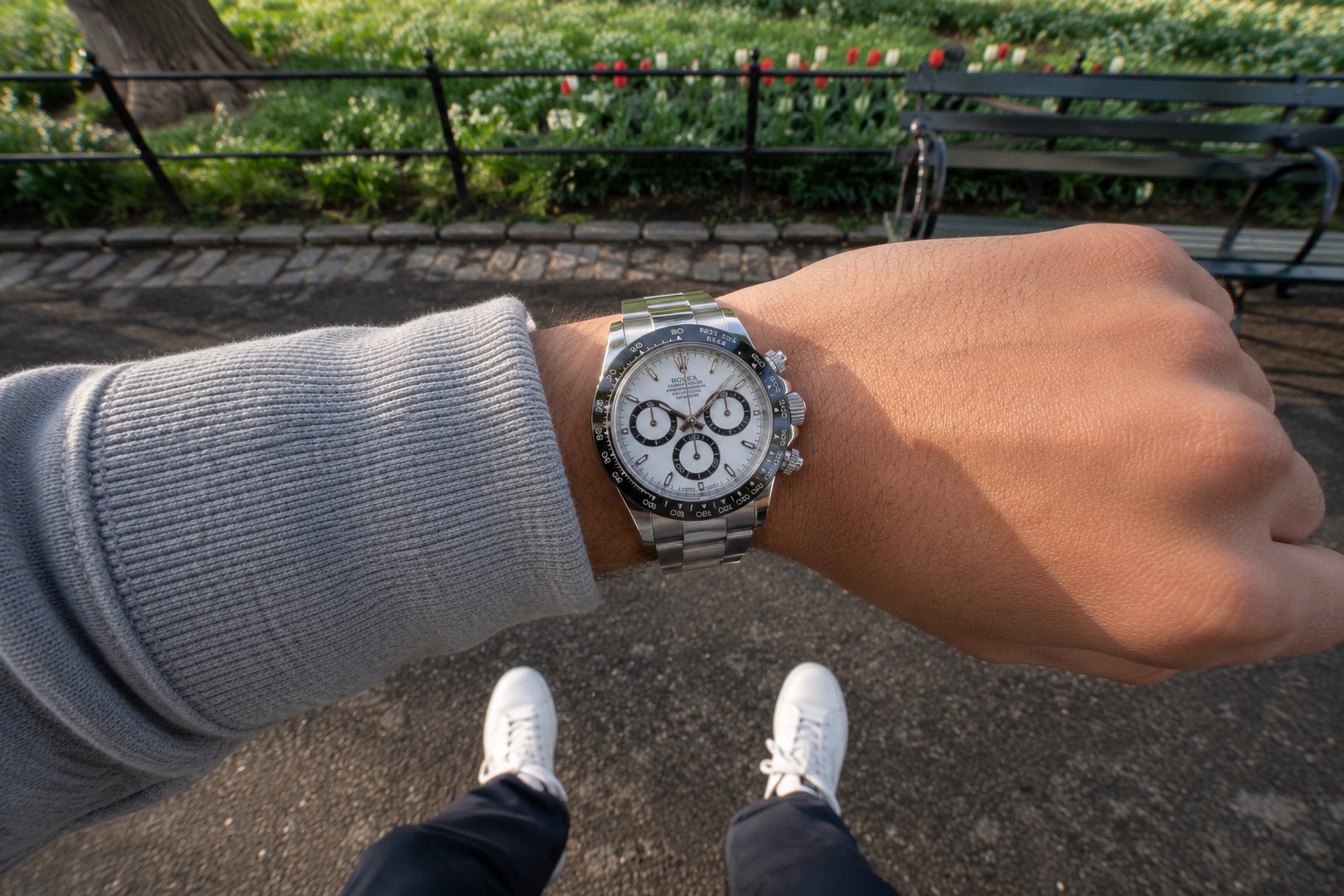
Jubilee Watch Bracelets
5-link dressy bracelet. More formal than Oyster. Default on the Datejust and suited to dress-sport crossovers.
Read guide →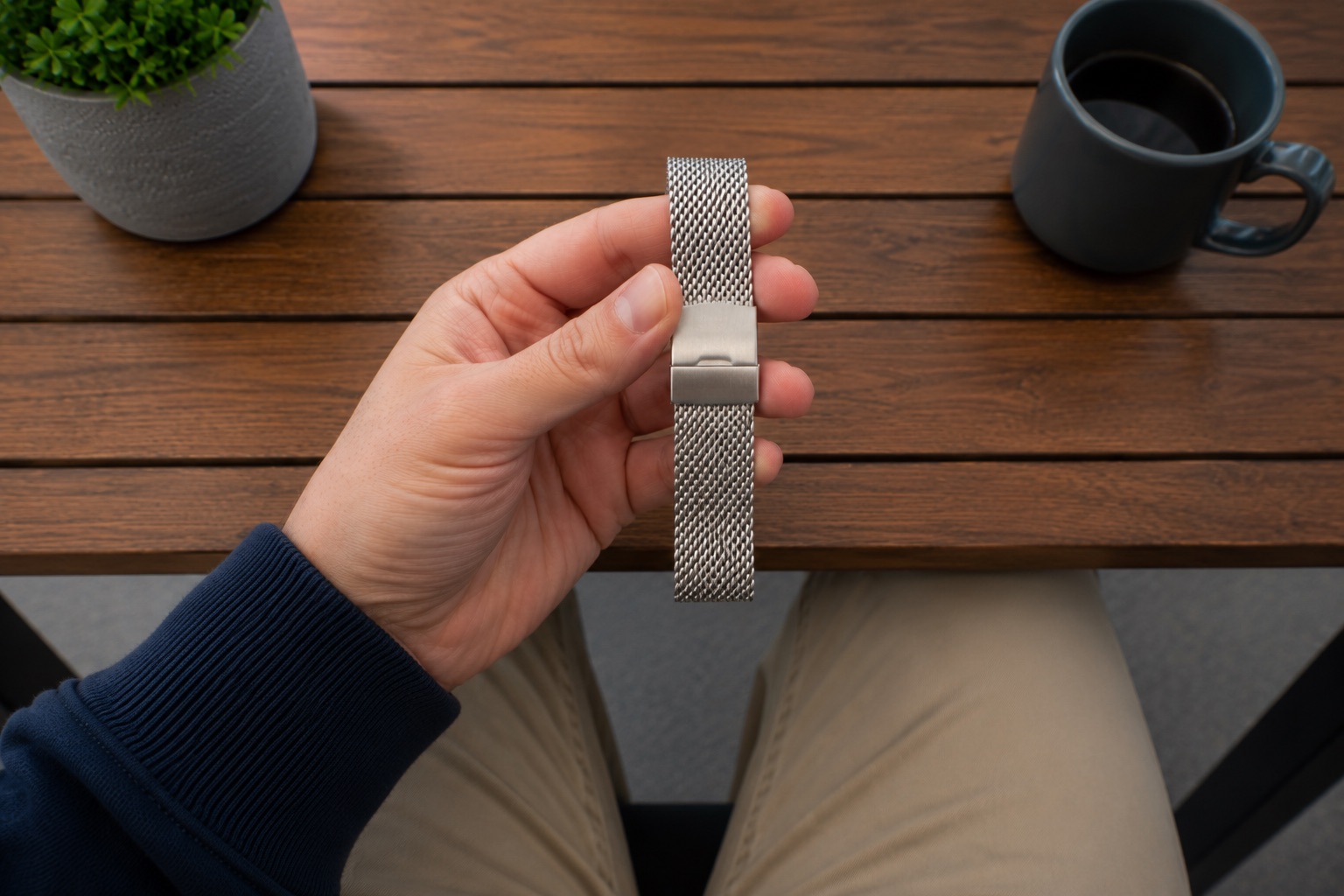
Milanese Watch Bracelets
Woven steel mesh. Infinitely adjustable, very comfortable. The most versatile metal option for dress watches.
Read guide →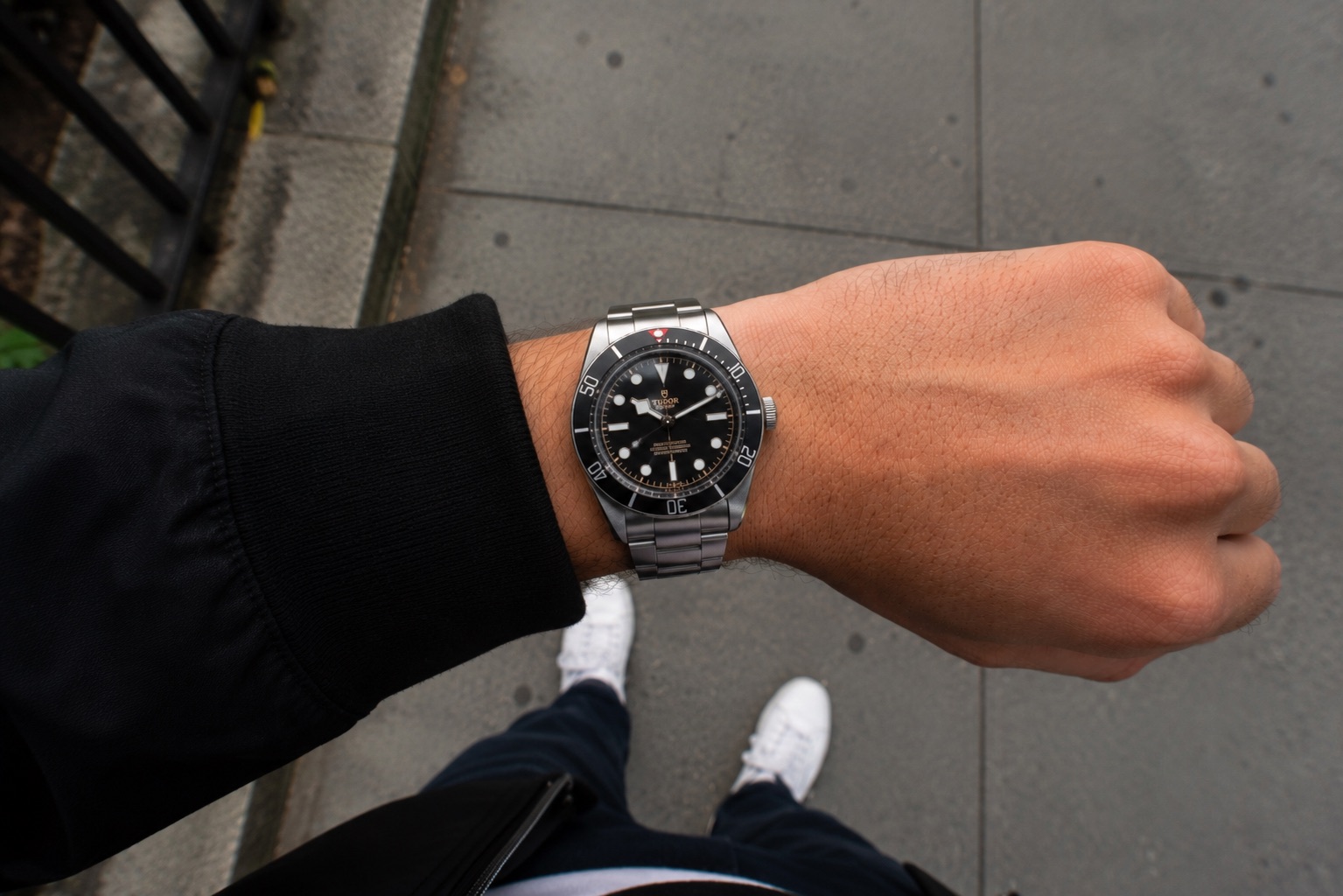
Best Aftermarket Metal Watch Bracelets
General metal bracelets in standard widths. Covers any watch where a specific style isn't required.
Read guide →Metal bracelet styles compared
Official brand price vs affordable aftermarket, by style.
| Style | Best for | Official price | Affordable price | Notes |
|---|---|---|---|---|
| Oyster (3-link) | Sport & dive watches | $400–$700 | $10–$25 | Flat, broad links. The sport standard. |
| Jubilee (5-link) | Dress & sport crossover | $400–$600 | $10–$25 | Rounded centre links. More formal than Oyster. |
| Milanese Mesh | Dress watches | $80–$200 | $8–$25 | Infinitely adjustable. Very comfortable. |
| General metal | Any watch | $50–$200 | $8–$35 | Varies by brand. Check lug width first. |
Frequently asked questions
How do I know which bracelet will fit my watch?
You need to match the lug width — the distance between the watch lugs in millimetres. A 20mm Oyster bracelet fits any watch with 20mm lugs. Common sizes are 18mm, 19mm, 20mm, and 22mm. You also need to confirm the end link shape if you're replicating a specific style — flat vs curved end links affect how the bracelet sits against the case. Check your watch manual or search '[model] lug width.'
What's the difference between 316L and 904L stainless steel?
316L is the industry-standard surgical-grade stainless used in the vast majority of watch bracelets, both branded and aftermarket. 904L is a higher-nickel alloy used by Rolex that offers slightly better corrosion resistance and takes a slightly deeper polish — the main reason Rolex switched to it in the 1980s. For everyday wear, the difference is barely perceptible. Aftermarket bracelets use 316L, as does nearly every other watch brand outside Rolex.
Are aftermarket Oyster-style bracelets actually good quality?
Yes, for the price. The 316L steel, link construction, and clasp mechanism are all industry-standard. Where they sometimes fall short is in the micro-adjustment clasp (which may have more play), brushed-vs-polished finishing transitions (which take more machine time to get right), and overall weight. A $20 aftermarket Oyster bracelet will look correct on the wrist and function well. It won't feel identical to a $700 Rolex original, but it's genuinely difficult to tell at normal viewing distance.
Can I put any metal bracelet on any watch?
Only if the lug width matches. A 20mm bracelet won't fit a 22mm lug watch — it'll either be too loose or won't fit at all. Beyond lug width, some watches have curved lug profiles that require curved end links (common on Seiko and many sport watches). Flat end link bracelets on a curved-lug watch will leave a visible gap. Most sellers on other sites list end link type in the description.
Have a specific strap in mind?
Paste any product URL from 70+ supported brands and we'll find affordable alternatives in seconds.
Find your dupe →