How to Change a Watch Strap
Standard spring bars, quick-release, and how not to scratch the case.
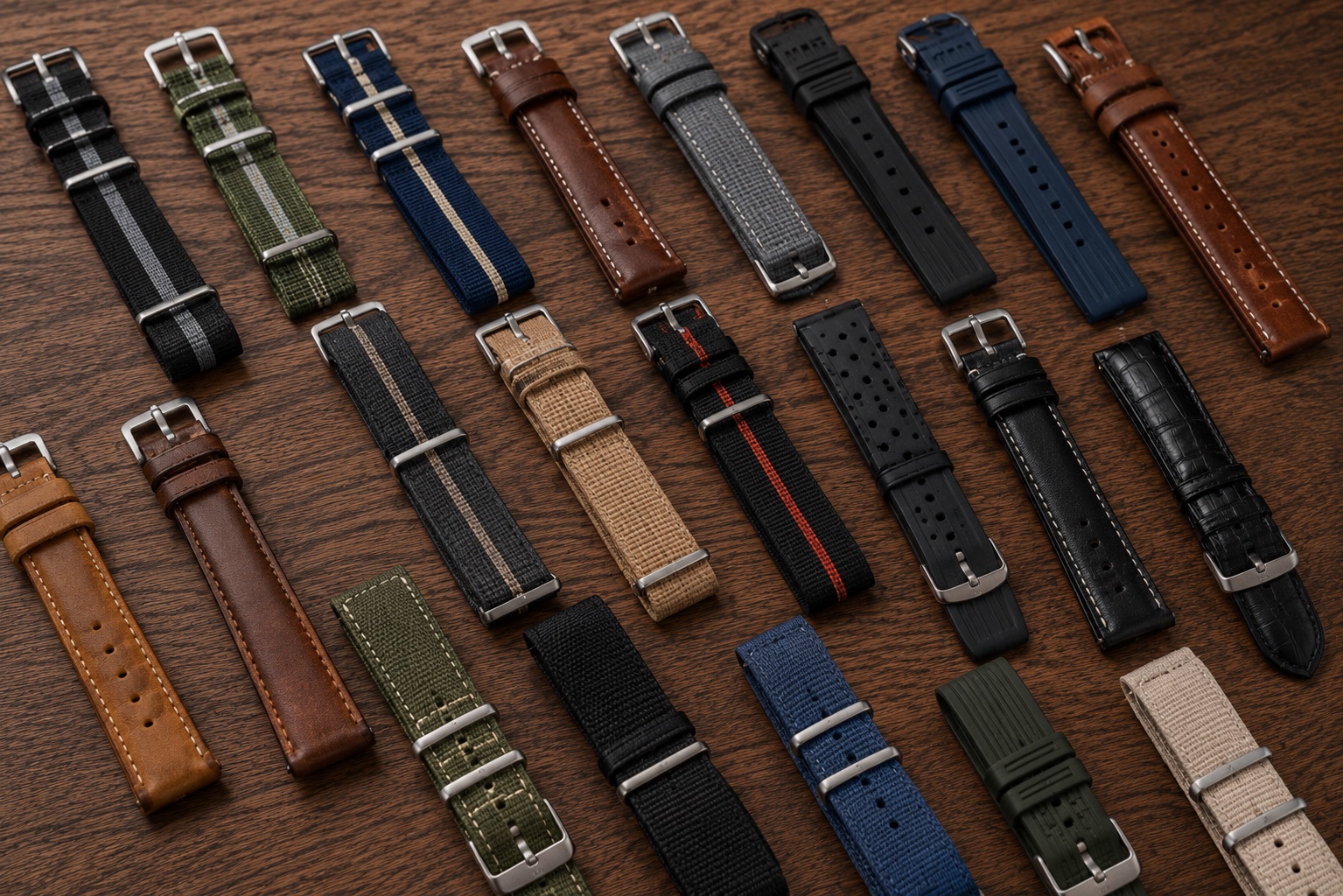 How to Change a Watch Strap
Changing a watch strap is the fastest way to transform a watch — different strap, completely different character. It takes under a minute once you know the process. Standard spring bar straps require a $5 spring bar tool; quick-release straps need no tool at all. The main skill is not scratching the case lugs while working.
3 cheap how to change a watch strap on other sites
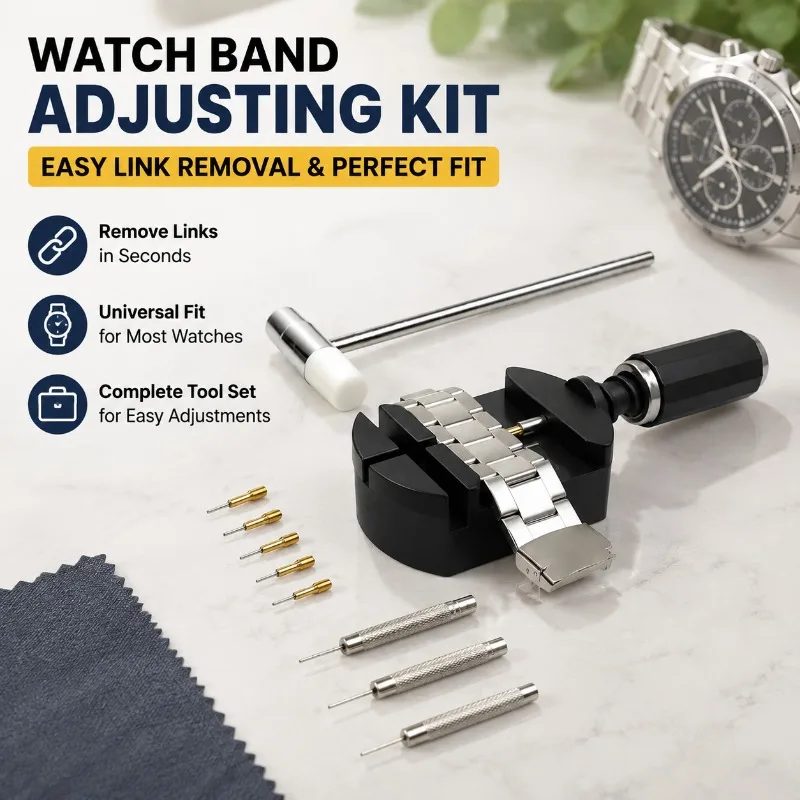
Watch Link Removal Kit Strap‑replacing Instrument Bracelet‑adjusting Tool Pin‑changing Accessory Watch‑hammer Spring‑bar Set
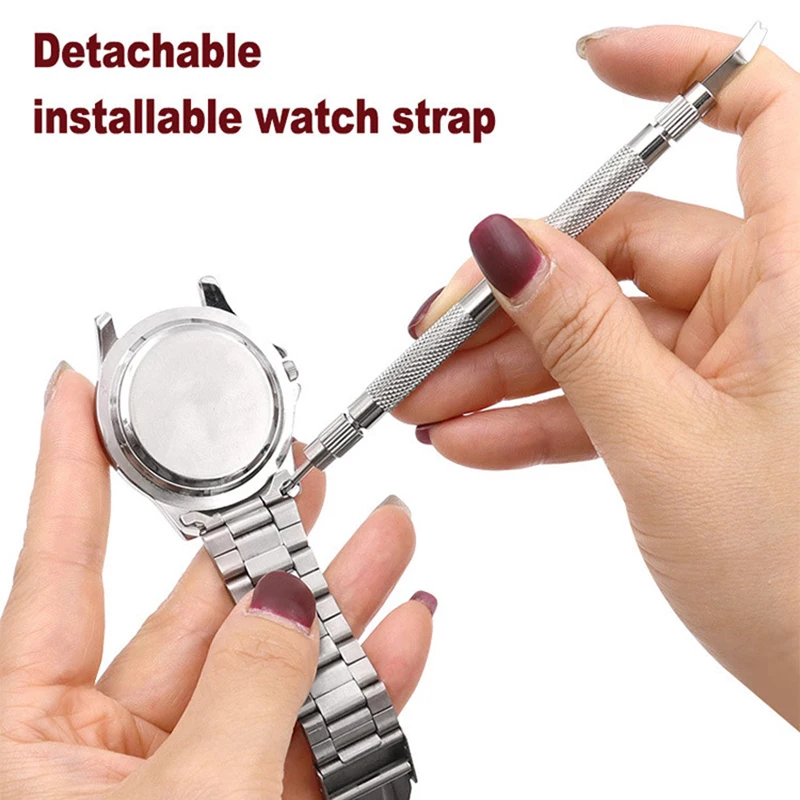
Watch Repair Tool Set Spring Bar Remover Watch Strap Change Kit with Case Back Opener for Watchmakers DIY
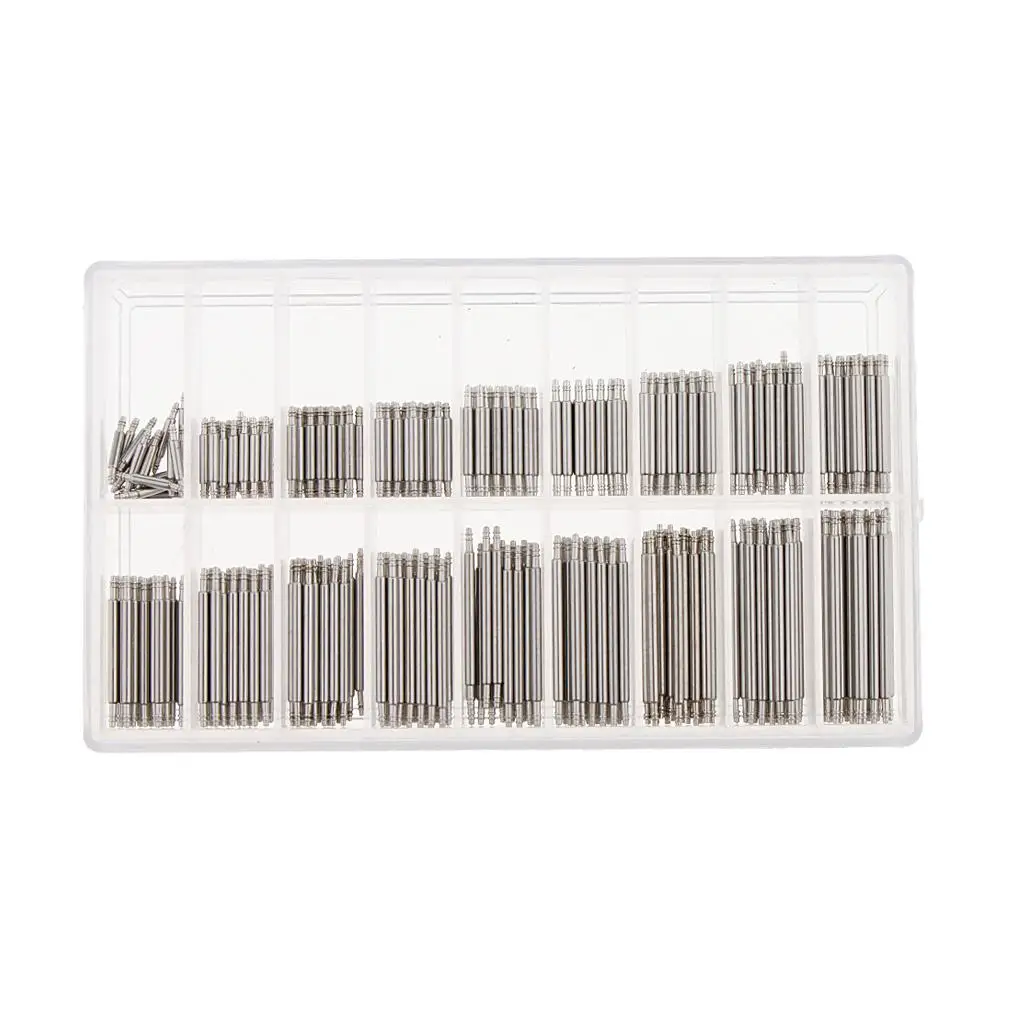
Stainless Steel Watch Band Spring Bar Set Watch Repair Tool Kit with Strap Spring Pins for Fixing and Changing Bands
What you need
For standard spring bar straps: a spring bar tool. The forked end slides between the strap and lug to compress the spring bar; the pin end releases spring bars from small holes in the lug. A basic spring bar tool costs $3–$8. A Bergeon 6767 is the watchmaker's standard at $30–$40. For routine strap swapping, the other sites tools work well — the Bergeon is worth it only if you swap straps very frequently and want a more refined feel. For quick-release straps: nothing. Quick-release straps have a small lever tab under each lug end that releases the spring bar when pressed — completely tool-free. For NATO straps: nothing. NATOs thread under the spring bars directly, no removal needed.
How to remove a standard strap
1. Hold the watch face-down in your palm or on a soft cloth. 2. Insert the forked end of the spring bar tool between the strap end and the inside of the case lug. 3. Push the fork inward toward the center of the spring bar while pulling the strap end outward. The spring bar compresses and pops out of its lug hole. 4. Once one end is released, the spring bar will swing out — keep control of it so it doesn't fly away. 5. Slip the spring bar fully out of the strap end and set aside. 6. Repeat for the other side of the strap. You now have two spring bars and the old strap removed. Most spring bars stay with the strap — check both before discarding the old strap, as they may be reusable.
How to install a new strap
1. Insert one spring bar through the new strap's lug hole at one end. Some straps have pre-cut holes; others require threading the spring bar through the strap end slot. 2. Hold the strap in the lug gap with the spring bar positioned across it. 3. Compress one side of the spring bar against the lug face with your thumb while sliding the other end into its lug hole first. The pre-compressed side then pops into its lug hole. This takes a little practice — work at the 12-lug end first, then the 6-lug end. 4. Press the spring bar ends with your fingernail or the spring bar tool pin end to verify they're seated in both lug holes. Tug the strap firmly to confirm it's secure — a properly installed spring bar shouldn't move. 5. Repeat for the other strap half.
How to change a quick-release strap
Quick-release straps have a small lever tab (or two tabs) on the underside at each lug end. To remove: flip the watch over, locate the tab, and press it inward — the spring bar releases from one side and the strap end pulls free. Repeat on the other side. Most quick-release straps release with a single tab press; higher-end quick-release designs use two tabs (one on each side of the spring bar). To install a quick-release strap: press the tabs inward on the new strap to compress the spring bars, insert the compressed spring bar into the lug gap, and release — the spring bar snaps into both lug holes automatically. Quick-release straps can be installed with the spring bars partially pre-loaded, making installation much faster than the manual method. The entire swap takes 5–10 seconds once familiar with the mechanism.
How to avoid scratching the case
The lugs of the watch case are vulnerable to being scratched by the tip of the spring bar tool during installation and removal. Three techniques prevent this: First, always work with the watch face-down on a soft surface (a microfiber cloth, the inside of a watch roll, or the leather of your strap packaging) so the case back absorbs any accidental contact rather than the dial. Second, wrap the forked end of the spring bar tool with a small piece of tape if your tool feels particularly sharp or if you're working on a polished-lug watch. Third, angle the tool toward the spring bar rather than dragging it across the lug surface. Most scratches happen when the tool slips and drags across the lug face — the solution is controlled, deliberate movement rather than speed. For quick-release straps, no tool contacts the case at all, which is why they've become the dominant choice for frequent strap swappers.
Frequently asked questions
Can I change a watch strap myself?
Yes — changing a watch strap is one of the most accessible watch maintenance tasks. It requires no technical knowledge, minimal tools (a $5 spring bar tool for standard straps, nothing for quick-release), and takes 2–5 minutes for standard straps once you've done it a few times. The only significant risk is scratching the case lugs with the spring bar tool, which is avoided by working carefully and keeping the tool angled toward the spring bar rather than dragging it across lug surfaces. Quick-release straps eliminate tool contact with the case entirely, making strap changes genuinely risk-free. Watchmakers charge $10–$20 for a strap change that you can do yourself in minutes once you have the spring bar tool.
How do I change a watch strap without a tool?
If your strap is a quick-release type, you need no tool — press the lever tab on the underside of each lug end, and the spring bar releases. If your strap is a NATO, it threads under the spring bars and can be removed and replaced without touching the spring bars at all. If your strap uses standard spring bars and you don't have a spring bar tool, a small, thin, flat-tipped object — a paring knife tip, the tip of a dental pick, or even a sturdy SIM card eject tool — can substitute in an emergency. Insert the tip between the strap and lug to compress and release the spring bar. This method is more likely to scratch the case, so it's not recommended for routine use. A basic spring bar tool is $3–$8 and is worth buying before your first strap swap.
How long does it take to change a watch strap?
With a spring bar tool and standard spring bars: 2–5 minutes per strap change for a beginner, under a minute once experienced. The bottleneck is usually installing the new strap — the spring bar needs to be compressed and seated simultaneously, which takes a bit of coordination to develop. With quick-release straps: 10–30 seconds per complete swap. The mechanism makes the process nearly instant and requires no tool. NATO straps take slightly longer to thread correctly the first time (2–3 minutes), but experienced NATO wearers can thread in under a minute. If you're swapping straps frequently, quick-release straps are worth the slightly higher cost ($2–$5 more than equivalent spring bar straps) purely for time saved.
What's the easiest type of watch strap to change?
Quick-release straps are the easiest to change — no tools, no spring bar handling, under 30 seconds. They use a lever-release mechanism that compresses the spring bar when you press a small tab, letting you swap straps one-handed. After quick-release, NATO straps are the next easiest — they thread under existing spring bars without removing them, though the threading process takes a moment to learn. Standard spring bar straps require the most skill — you need a tool, good control to avoid scratching the case, and practice to install smoothly. For most collectors who swap straps regularly, quick-release leather and rubber straps from other sites ($8–$15) are the practical choice. They look identical to standard-bar straps and the release mechanism is reliable at the 4.7+ star tier.
Find a dupe for a specific strap
Paste a product URL from any premium strap brand and we'll match it to affordable alternatives.
Try the tool →