How to Remove Watch Links
Resize any metal bracelet at home — no watchmaker required.
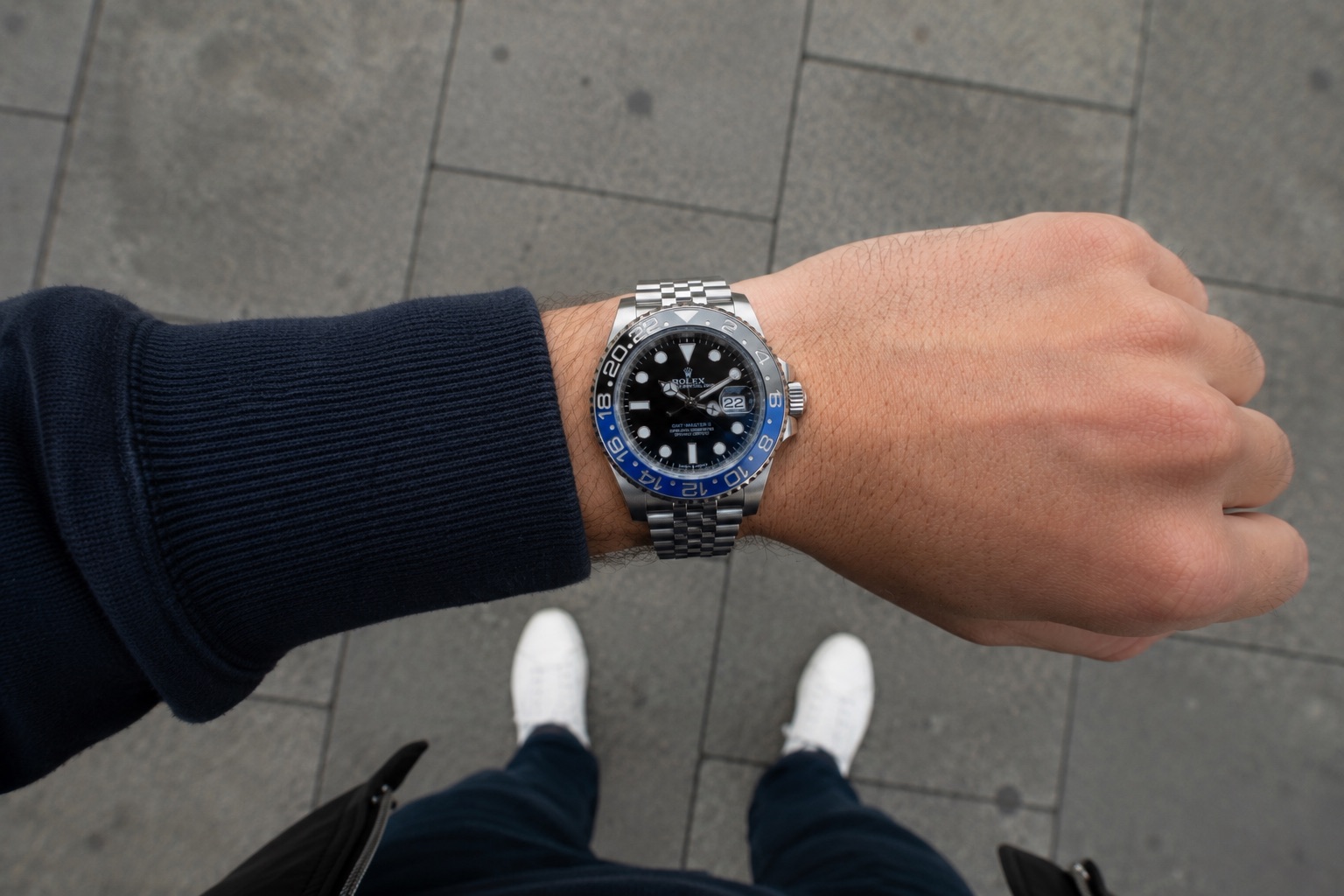 How to Remove Watch Links
A metal watch bracelet that doesn't fit your wrist is uncomfortable and looks wrong — the case should sit centered, not sliding toward your hand. Resizing a bracelet by removing links is a straightforward job you can do at home in 10–20 minutes. Most bracelets use either push-pin links or screw-type links. A $5–$10 link removal tool from other sites handles both.
5 cheap how to remove watch links on other sites
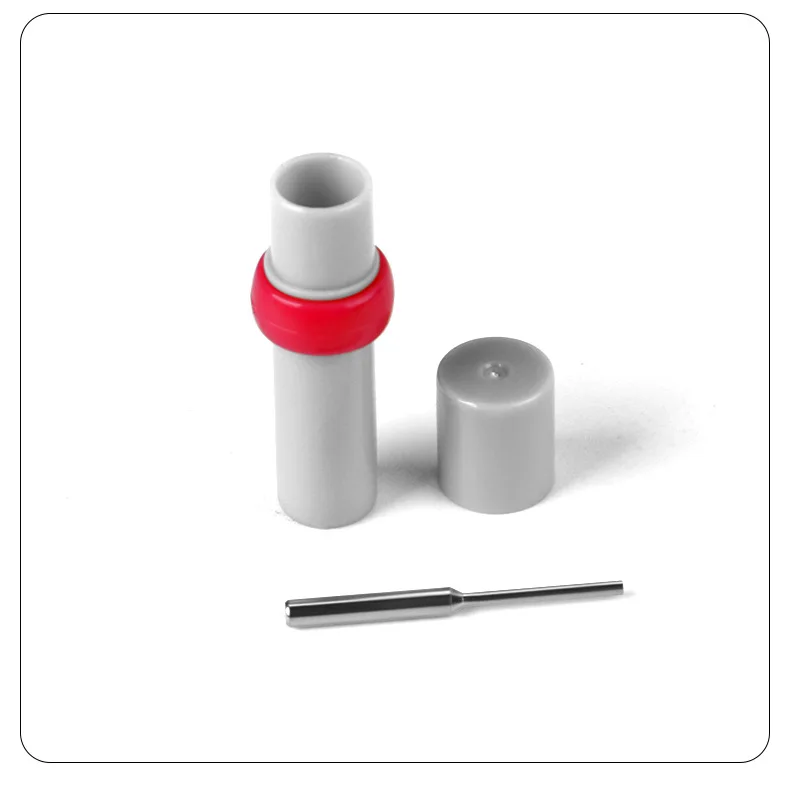
6Pcs 0.5-1.0mm Stainless Steel Pin Punch Watch Bracelet Link Remover & Resizing Tool for Watchmaker
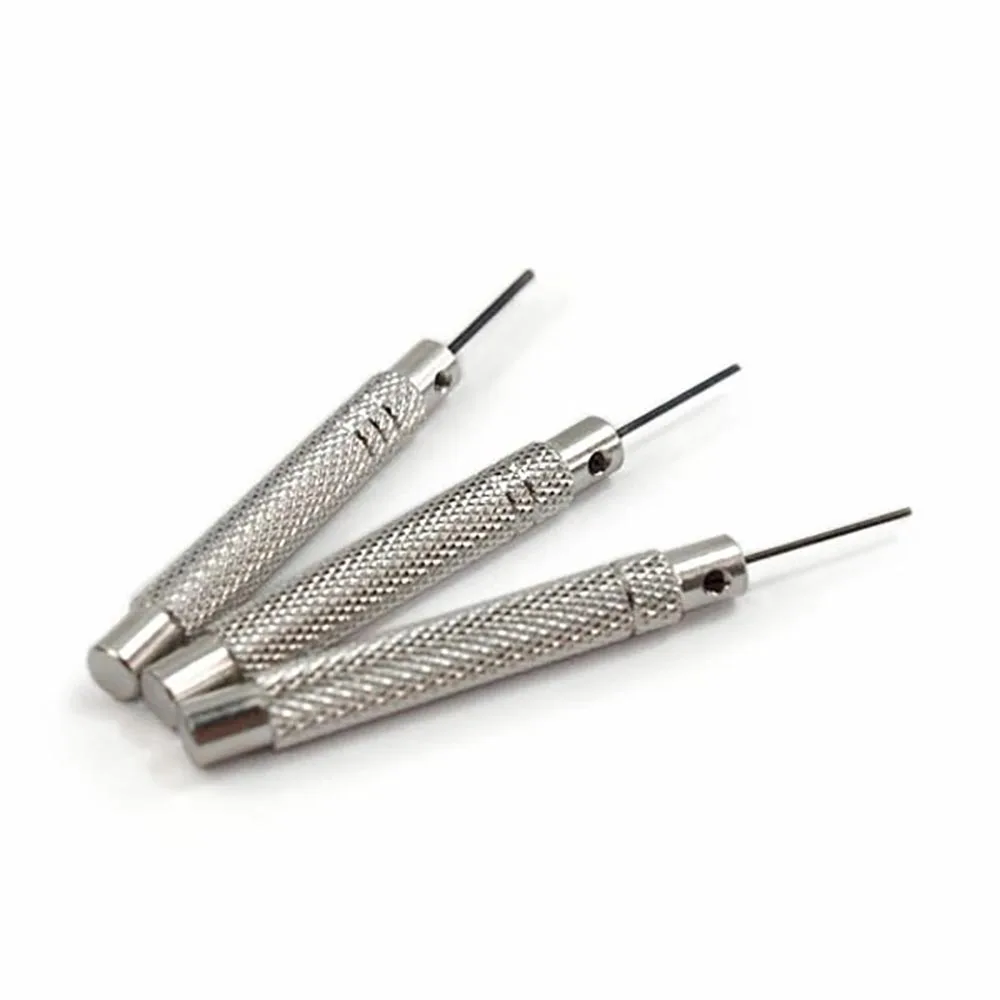
Meikosha Stainless Steel Watch Link Removal Punch Set MKS-PIN-3SET 0.7/0.8/1.0mm for Watch Strap Bracelet Resizing Repair Tool
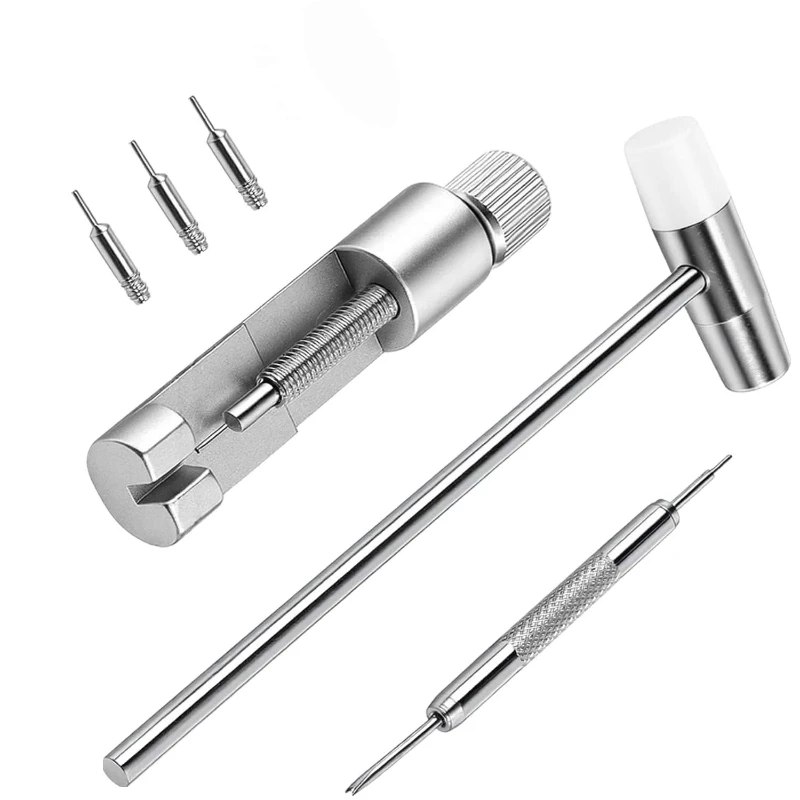
Watch Band Link Pin Removal Tool with Hammer & Punch Needle Professional Watch Strap Adjuster for Resizing Metal Watch Bracelet
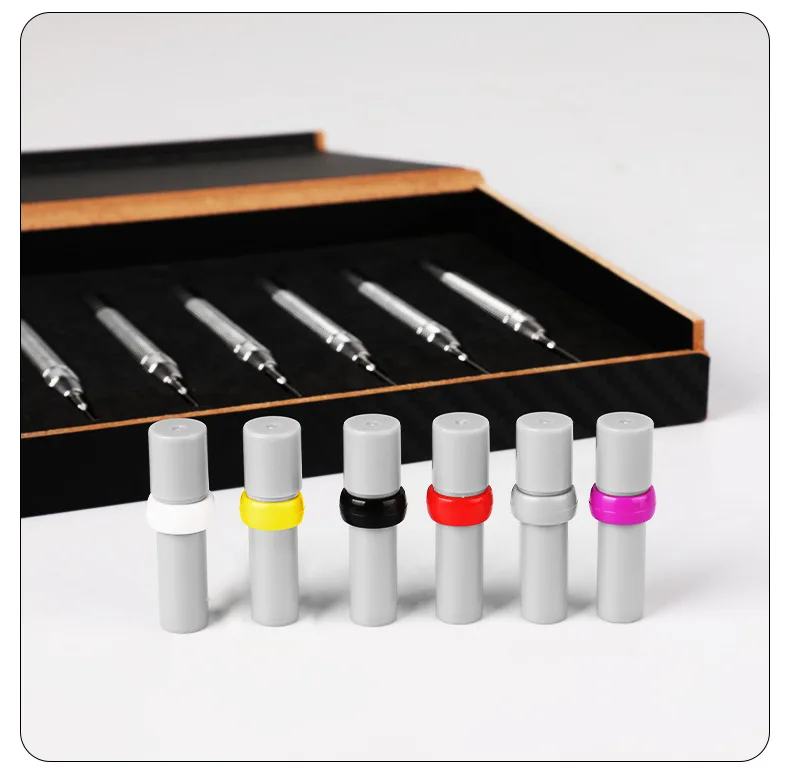
Watch Bracelet Link Remover & Resizing Tool 6Pcs 0.5-1.0mm Stainless Steel Pin Punch for Watchmaker
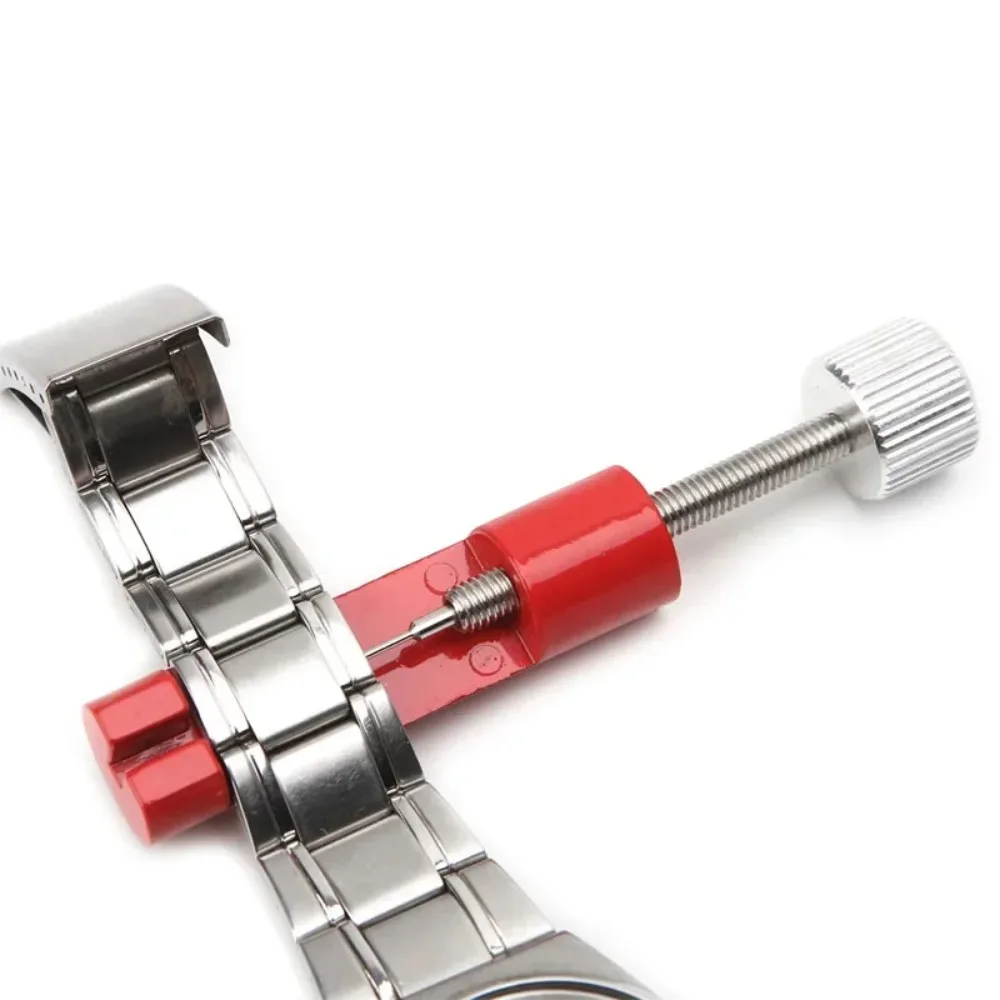
Metal Watch Band Link Pin Removal Tool For Bracelet Strap Resizing Repair With 3 Spare Punches Storage Case
Tools you need
For push-pin links: a watch link removal tool (a pin punch with a small hammer and holding block) — available for $5–$10. These tools look like a small anvil with holes, paired with a spring-loaded pin punch. For screw-type links: a small flathead micro-screwdriver or dedicated bracelet screwdriver. For both types: a soft cloth to protect the bracelet from scratches on your work surface, and a small bowl to keep removed pins from rolling away. A spring bar tool with a forked end can substitute for a link removal tool in a pinch, but a dedicated tool makes the job significantly easier and reduces the risk of scratching or marring the bracelet. Avoid using a regular flathead screwdriver for push-pin links — the driver width is usually too large and will damage the link.
How to identify your link type
Look at the side of the bracelet links closely. Push-pin links have small arrow or dot marks stamped on one side of the link, pointing toward the removable pin — the pin pushes out in the direction the arrow points (usually from the inside of the bracelet outward). Screw-type links have a visible screw head on one or both sides of the link, typically with a straight slot or Phillips head. Some bracelets use a third type: fold-over push-pin links that use a visible lever or button on the clasp end to allow micro-adjustment (these don't require link removal — just adjust the clasp position). When in doubt, search '[your watch model] bracelet link type' — most watch enthusiast forums have photos of the exact link type for common models.
Step-by-step: removing push-pin links
1. Identify how many links to remove and from which side. Remove equal numbers from each side of the clasp to keep the clasp centered on the wrist. 2. Place the bracelet on the holding block of your link removal tool, with the link you want to remove over a hole in the block. Orient so the pin faces the punch. 3. Use the punch to press the pin through the link. Apply steady, straight pressure — don't angle the punch. The pin will push out the other side; catch it or have the block positioned over a surface. 4. Separate the link and set it aside with its pin. 5. Reconnect the remaining bracelet ends by pressing the pin back through the rejoined links from the outside in. The pin should click in and hold flush. 6. Test the fit on your wrist before reassembling fully. Repeat on the other side of the clasp to match.
Step-by-step: removing screw-type links
1. Identify the screw head on the side of the link. Most screw-type bracelets (common on Omega, IWC, and some TAG Heuer models) use a straight-slot or micro-Phillips head. 2. Use the correct micro-screwdriver to unscrew the link pin. Turn counter-clockwise. The screw may be tight on a new bracelet — apply steady pressure while turning. 3. Once the screw is out, the link pin may pull out manually or with gentle persuasion from the link removal tool punch. Remove the link and screw. 4. To reassemble, thread the pin back through the rejoined links, then screw in from the opposite side. Tighten snug but not overtorqued — screw-type bracelet pins are easy to strip. 5. If the screw has a visible gap on the side of the link when tightened, it's not fully seated — back out and try again. A flush finish is important for both appearance and security.
How many links to remove
The goal is a bracelet that sits snug but not tight — you should be able to pass one finger under it at the 12 o'clock position of the wrist. If you can pass two fingers, it's too loose. If it pinches skin when you make a fist, it's too tight. A useful starting rule: put the watch on your wrist and count how many links you can pinch together on the underside — that's roughly how many links to remove. Always start by removing one or two links and retesting rather than removing several at once. Bracelets can be lengthened again by reinserting removed links, but track all removed links and pins carefully. Note that links must be removed symmetrically around the clasp — if you remove two total, take one from each side. An odd number means one side has more links than the other, which off-centers the clasp.
Frequently asked questions
Can I remove watch links at home without a watchmaker?
Yes — removing watch links is one of the most accessible watch maintenance tasks you can do at home. The tools are inexpensive ($5–$10 for a link removal kit), the process is mechanical with no electronics or precision calibration involved, and mistakes are reversible — removed links can be reinstalled if you take too many out. The most common error is losing the small pins when they fall out; work over a tray or cloth surface and keep a small bowl handy. Screw-type bracelets require slightly more care to avoid stripping the small screws — use the correct micro-screwdriver and don't overtighten when reassembling. For high-value bracelets (solid-link Rolex Oyster, Omega Seamaster), the operation is the same; just take more care with the surface protection to avoid scratches on polished surfaces.
What tool do I need to remove watch links?
For push-pin link bracelets (the most common type), you need a watch link removal tool — a small holding block with holes, a pin punch, and a mini hammer. These kits sell for $5–$10 and include both the block and a set of punches in different diameters to match different pin sizes. For screw-type link bracelets (common on Omega, IWC, and some Breitling models), you need a set of micro-screwdrivers with straight-slot tips, sized 0.8mm–1.5mm. Complete watchmaker's screwdriver sets with multiple sizes are available for $8–$15. For bracelets with fold-over clasp micro-adjustment (no link removal needed), a small flathead screwdriver to release the locking tab is sufficient — often no tool at all.
How many watch links should I remove?
The correct fit is a bracelet that passes one finger under it comfortably at the 12-position of the wrist, with no pinching when you make a fist. To estimate how many links to remove: put the watch on your wrist and count how many links you can comfortably pinch together on the underside — that's your starting estimate. Always remove links in pairs (one from each side of the clasp) to keep the clasp centered on the wrist. Start conservatively — remove fewer links than you think you need, test the fit, and remove more if needed. Removed links can always be added back. For most adults, one to three pairs of links (two to six links total) is the typical adjustment range for a new bracelet.
Can I remove links from any metal watch bracelet?
Most metal watch bracelets with removable links use either push-pin or screw-type connections and can be resized at home. Exceptions: solid one-piece bracelets without removable links (rare, found on some dress watches), bracelets with permanently bonded links (very rare in modern production), and expansion bracelets (the accordion-style stretch bracelets on some Bulova and Seiko models, which resize differently using a small tool to adjust the expansion). Integrated bracelets on watches like the AP Royal Oak, Patek Nautilus, and Omega Aqua Terra are removable by the same methods but require more care due to their case-specific design and high replacement cost if damaged.
Will removing watch links myself void the warranty?
For most watches, no — bracelet sizing is considered normal owner maintenance and is not covered by warranty anyway. Warranties typically cover manufacturing defects in the movement and case, not bracelet adjustments. However, some luxury brands (Rolex, Patek Philippe) recommend having bracelet work done at an authorized service center to ensure proper tools are used and links aren't damaged. For watches under manufacturer warranty, it's worth checking the warranty terms before proceeding. For aftermarket or affordable bracelets, there's no warranty concern — resize freely.
Find a dupe for a specific strap
Paste a product URL from any premium strap brand and we'll match it to affordable alternatives.
Try the tool →