Leather vs Rubber Watch Straps
Different materials for different lives — here's how to choose.
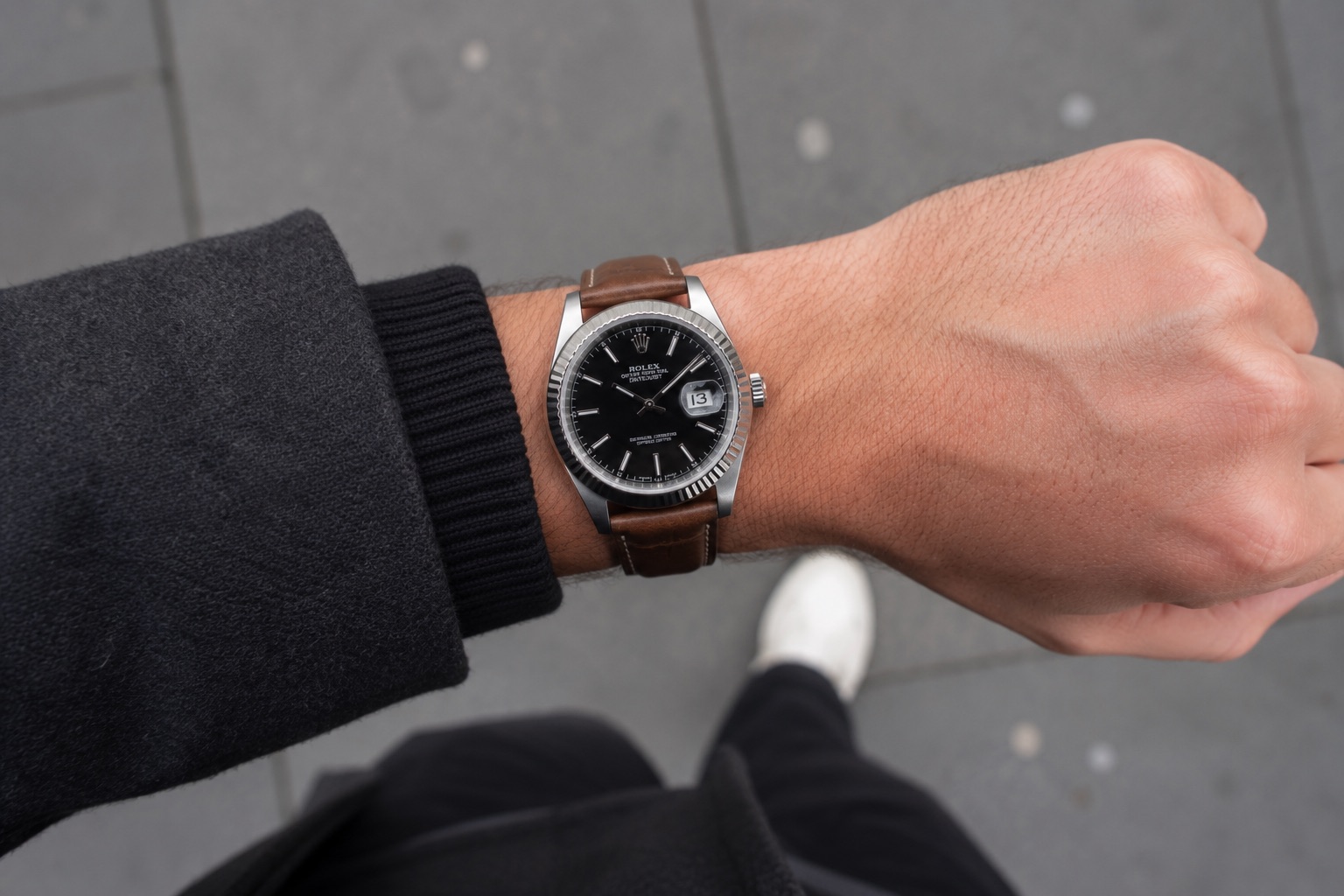 Leather vs Rubber Watch Straps
Leather and rubber are the two most popular watch strap materials — but they serve different purposes and different lifestyles. Leather is the classic choice for dress watches and formal wear; rubber is the practical choice for active wear and anything involving water. The decision doesn't have to be either-or. Here's how to think about it.
31 cheap leather vs rubber watch straps on other sites
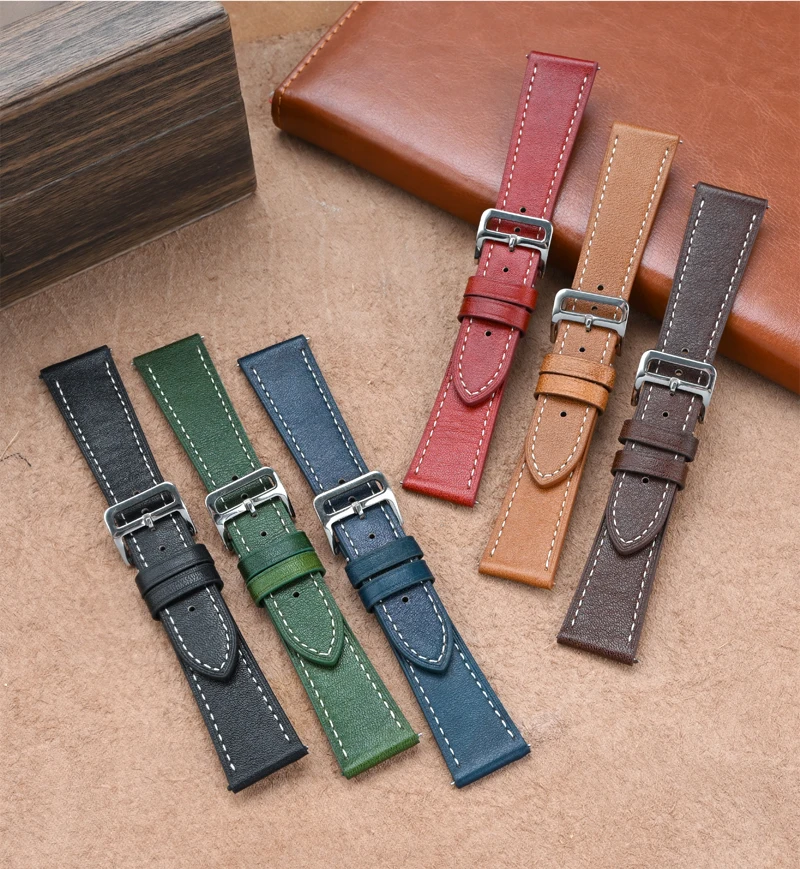
17mm 18mm 19mm 20mm 21mm 22mm Genuine Leather Watch Strap Band Universal Watchband Retro Bracelet Quick Release Bar Wristband
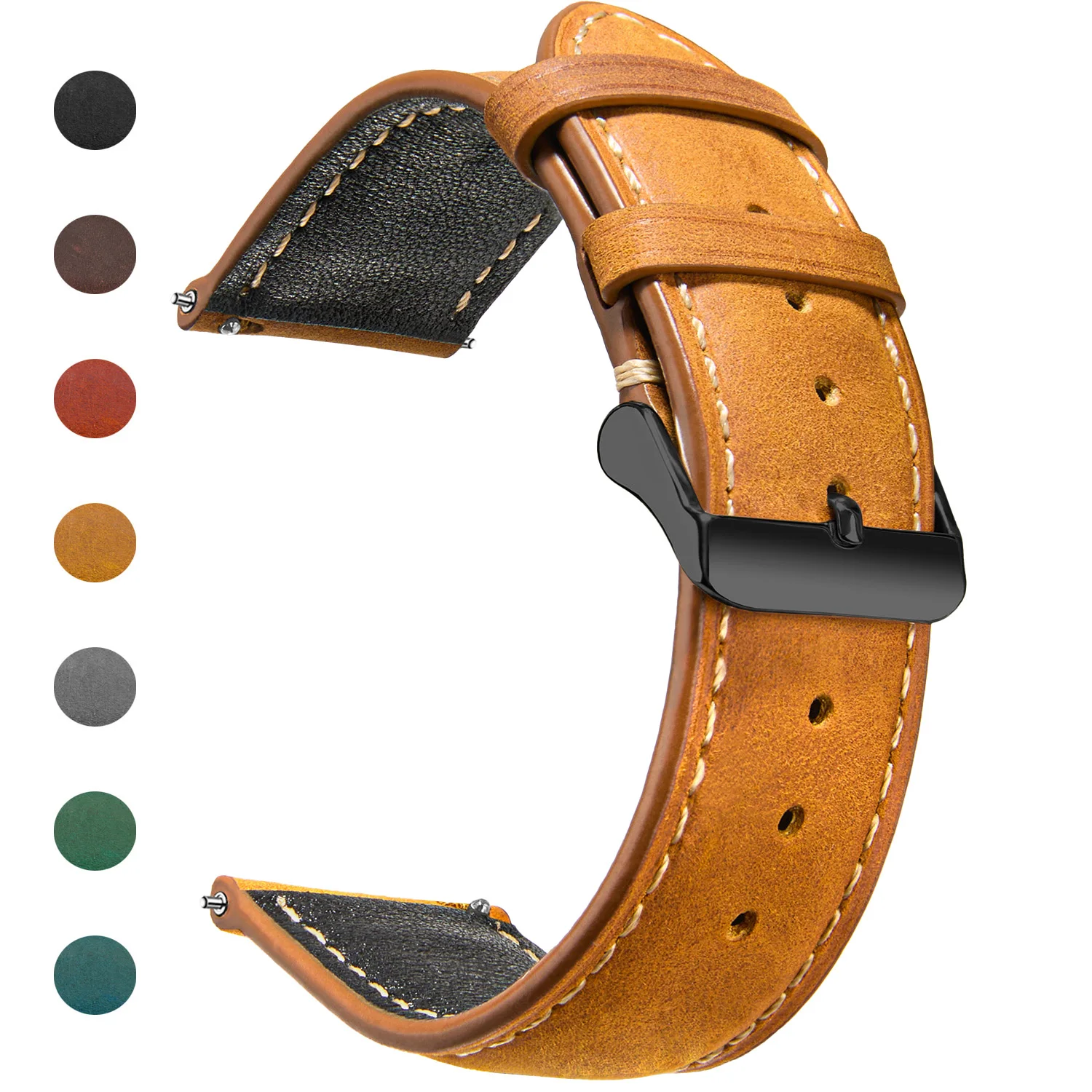
Wax Vintage Genuine Leather Quick Release 14mm 16mm 18mm 20mm 22mm 24mm Watch Bands for Men Women Top Grain Leather Watch Strap

100% Genuine Leather Watch Bands With Quick Release Horween CXL Cowhide Vintage Wrist Strap For Men 22mm18mm19mm20mm
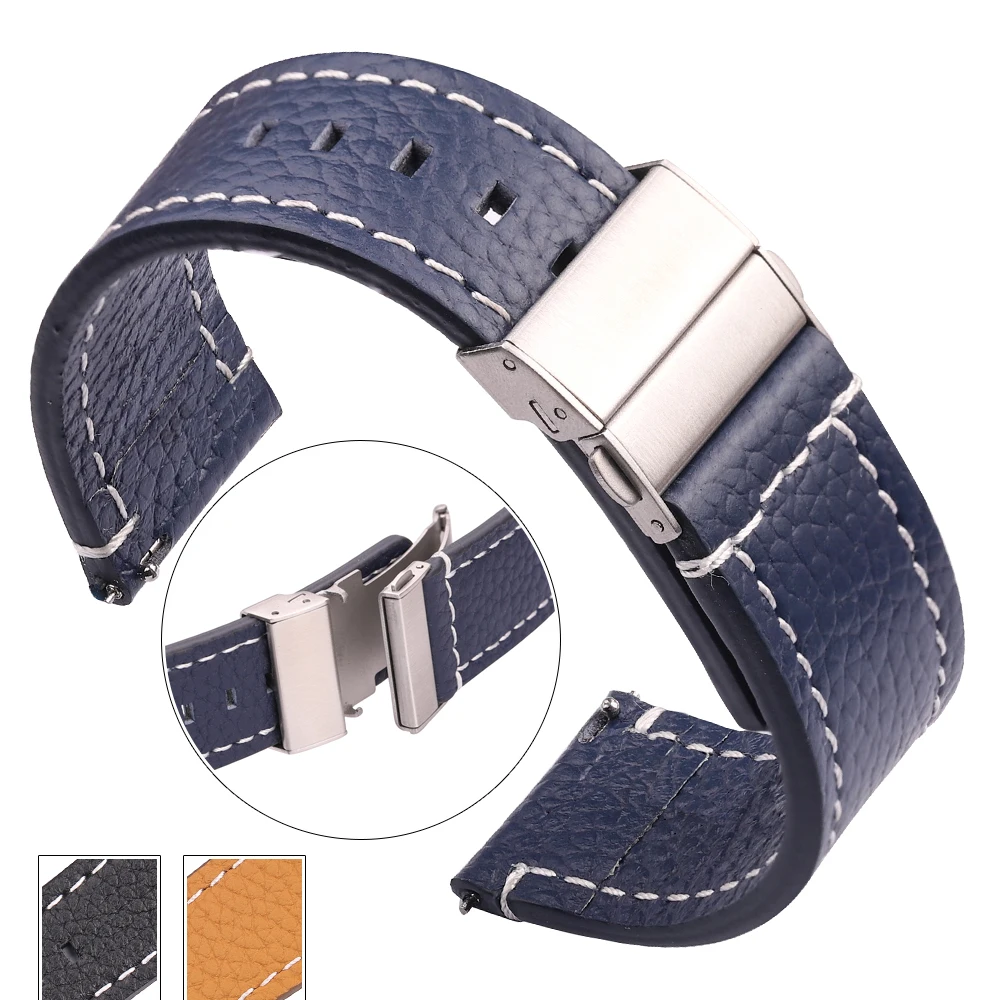
18mm 20mm 22mm 24mm Genuine Leather Watchband Cowhide Soft Strap Universal Bracelet For Men Women Quick Release Wrist Band
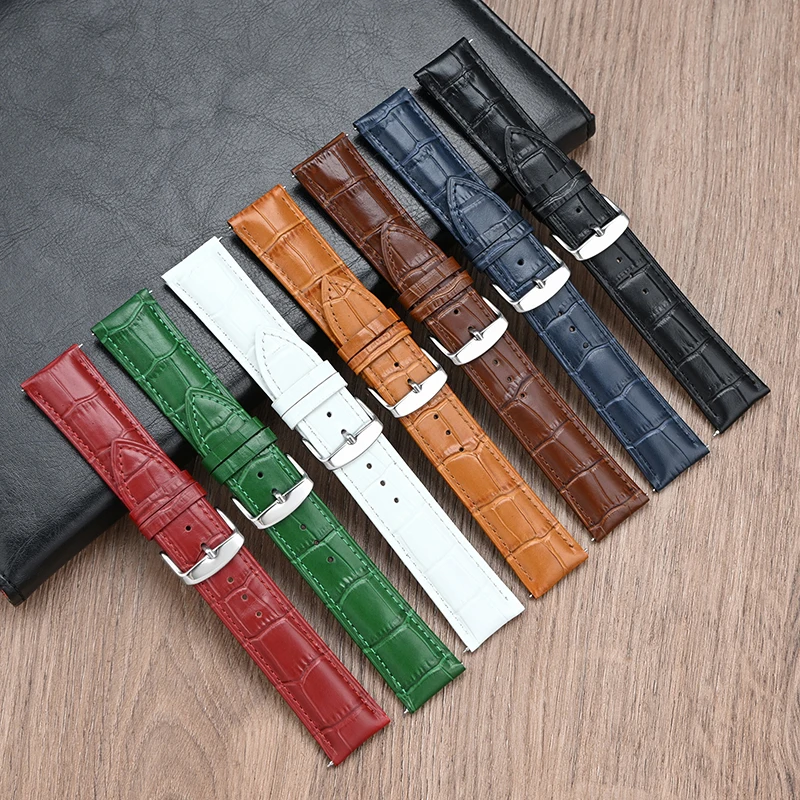
Genuine Leather Watch Band Strap 12/13/14/15/16/17/18/19/20/21/22/23/24/26mm Quick Release Men Women Universal Cowhide Bracelet
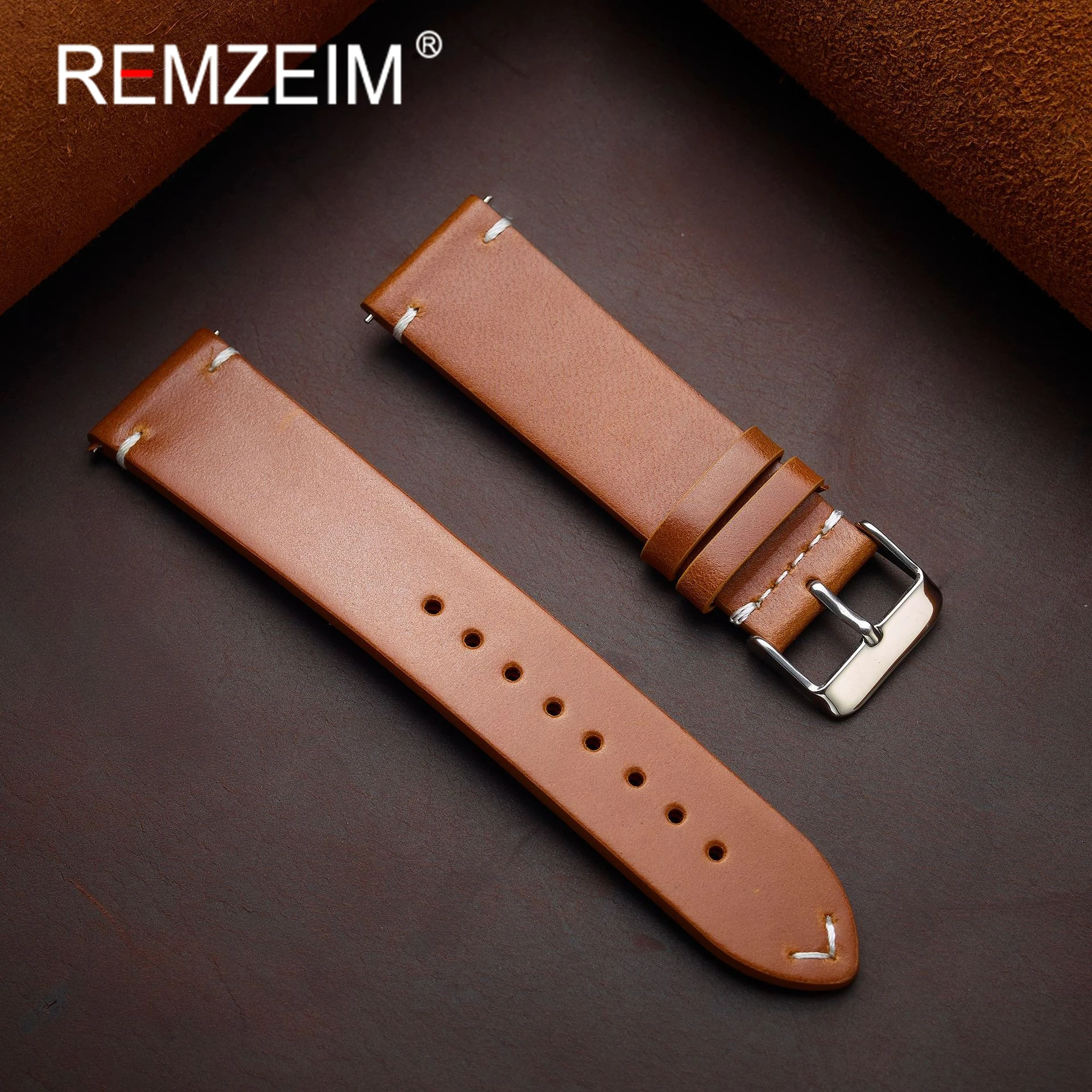
Universal Oil Wax Genuine Leather Watch Strap 18mm 19mm 20mm 21mm 22mm Quick Release Retro Cowhide Watch Band Watch Accessories
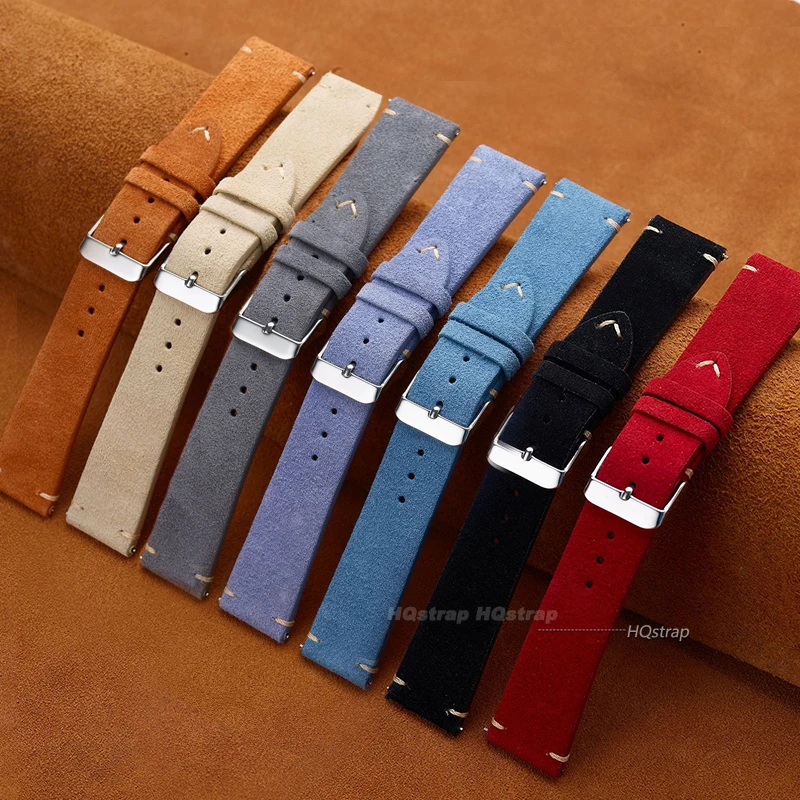
Suede Genuine Leather Watch Strap 16mm 18mm 20mm 22mm for Seiko Quick Release Vintage Handmade Band High Quality Watchband
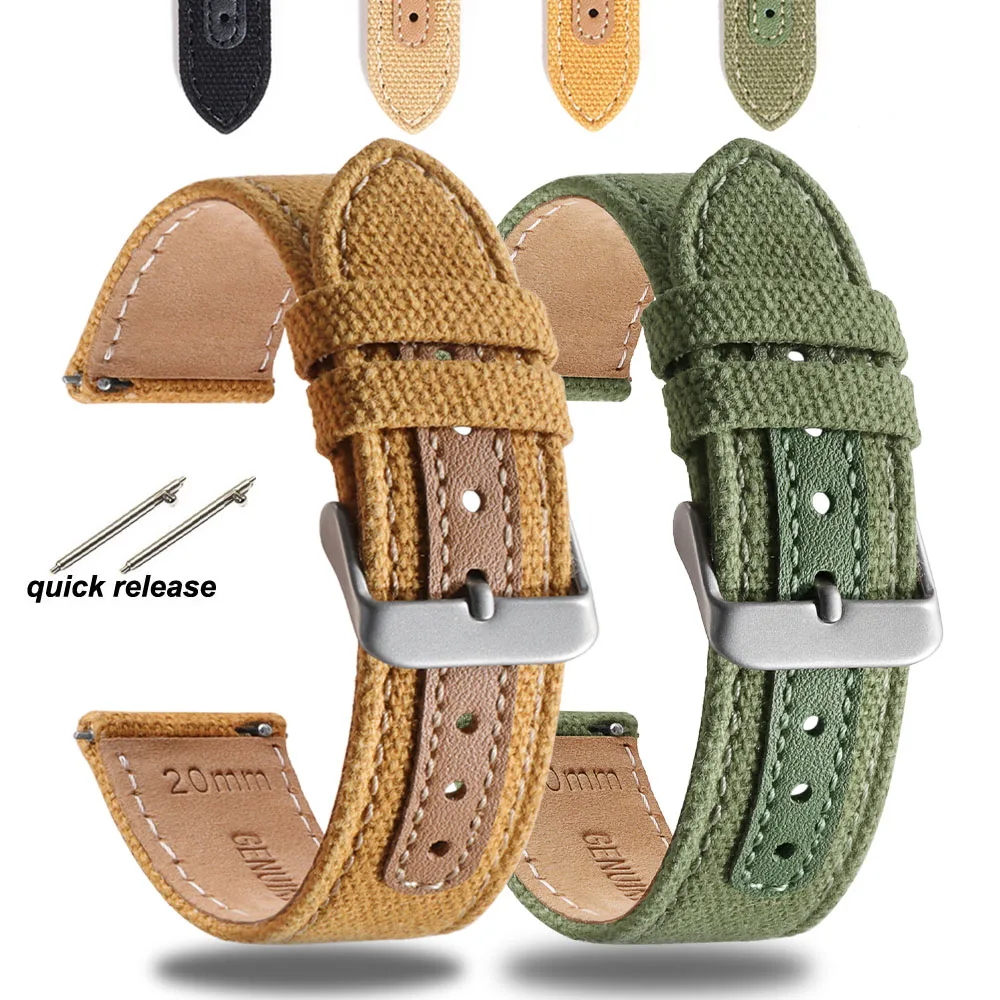
20mm 22mm Genuine Leather Nylon Watch Band Quick Release Strap Vintage Weave Bracelet for Men Women Replacement Wristband
When leather is the right choice
Leather is the correct choice for dress watches, vintage-inspired pieces, and any watch that reads as formal or refined. A calfskin leather strap in black or dark brown transforms a sport watch into an office-appropriate accessory and is the natural complement to a dress watch's proportions and aesthetic. Leather also develops personal character over time — the unique patina created by your wrist shape, wear habits, and body chemistry makes a broken-in leather strap a genuinely personal object. The best application for leather is in controlled, dry environments: office wear, dinner watches, evening events. For a watch that lives on your wrist in a professional context and comes off for exercise, leather is optimal. Leather straps from other sites at $8–$18 from 4.7-star sellers deliver the genuine leather experience at a fraction of boutique prices ($60–$130).
When rubber is the right choice
Rubber (specifically FKM fluoroelastomer) is the correct choice for active use, water exposure, and any watch that will regularly encounter sweat, pool chlorine, saltwater, or direct sunlight. FKM is fully waterproof, chemically inert, UV-stable, and requires no maintenance whatsoever — rinse and wear. For dive watches, sport watches, and field watches that get used as intended, rubber is simply the more practical material choice. Rubber is also the better choice for warm climates and humid environments where leather absorbs moisture and begins to degrade within months. On a Rolex Submariner, Omega Seamaster, or Tudor Black Bay — watches designed for water — rubber is honest about what the watch is and how it should be worn. affordable FKM rubber straps at $8–$18 are the same fluoroelastomer compound used by premium strap brands charging $80–$120.
Comfort comparison
Leather requires break-in — a new leather strap is initially stiff and takes 1–3 weeks of regular wear to fully conform to the wrist. Once broken in, leather is generally considered the most comfortable strap material by watch enthusiasts — it shapes itself to your wrist and breathes more than rubber. However, leather warms up and can feel hot and sweaty in summer heat or during exercise. Rubber (FKM or silicone) is comfortable from day one — flexible, light, and consistent temperature. FKM feels slightly denser than silicone; both feel light on the wrist during exercise. In warm weather or during physical activity, rubber outperforms leather in comfort. The trade: rubber lacks the 'gets better over time' quality of leather; what you feel on day one is what you feel on day 1000.
Durability comparison
Rubber lasts longer under active daily use — FKM resists sweat, UV, water, and chemicals indefinitely with minimal degradation. A well-maintained FKM strap used daily should last 5+ years before showing significant wear. Leather used in the same active conditions degrades much faster: sweat salt breaks down leather fibers over 12–18 months of daily wear, water exposure accelerates cracking, and UV fading affects both the color and structure of the leather surface. However, leather used in appropriate conditions (dry, non-active) and maintained with occasional conditioning lasts 3–5 years from a boutique strap and 1–3 years from an affordable strap. The durability gap between leather and rubber is most pronounced in hot, humid, and active environments — in dry, controlled environments, the gap narrows significantly.
The simple decision rule
Wear leather when the watch is worn for occasion — office, dinner, events, dress contexts. Wear rubber when the watch is worn for use — sport, exercise, outdoor activity, water, travel. The best answer for most watch enthusiasts is both: maintain two or three leather straps for wear contexts and one or two rubber straps for active use, and swap based on the day. At other sites prices ($8–$18 for quality leather, $8–$18 for quality FKM), building a 4–5 strap rotation for a single watch costs $40–$80 total — less than a single boutique leather strap. Having both materials available means never wearing an inappropriate strap for the context, which is the real benefit of strap collecting.
Frequently asked questions
Is leather or rubber better for everyday wear?
It depends on your daily context. If your everyday involves an office environment, controlled temperature, and no significant exercise while wearing the watch, leather is more comfortable and appropriate — it looks better in professional settings and develops character with wear. If your everyday involves physical activity, warm weather, or water exposure while the watch is on, rubber (specifically FKM) is the better choice — it's maintenance-free, fully waterproof, and handles sweat without degrading. For most people, the ideal is having one leather strap and one rubber strap for a watch you wear daily, and swapping based on the day's activities. Both materials are available from other sites in quality versions at $8–$18 per strap.
Can I wear a leather watch strap in water?
No — not if you want the strap to last. Brief incidental contact (washing hands, light rain) is tolerable if the strap is dried promptly, but extended water exposure or submersion causes irreversible damage: the leather swells, softens, and then dries stiff and prone to cracking. Sweat is less damaging than submersion but still shortens strap life significantly — a leather strap worn during regular heavy exercise degrades noticeably faster than one worn only in dry, controlled conditions. For swimming, showering, or any activity with consistent water contact, remove a leather strap and use FKM rubber or NATO nylon instead. If you forget and get a leather strap thoroughly wet, blot with a dry cloth immediately and allow to air dry completely — do not fold or store until fully dry.
Do rubber watch straps last longer than leather?
Under most wearing conditions, yes — FKM rubber lasts longer than leather for active daily wear. FKM is chemically inert and unaffected by sweat, water, UV radiation, and most chemicals. A quality FKM strap used daily typically shows minimal degradation over 3–5+ years. Leather used in equivalent active conditions (sweat, occasional water, sunlight) typically shows notable wear in 12–24 months for daily wear. The gap narrows significantly in dry, controlled environments: a well-maintained leather strap worn primarily in an office can last 3–5 years with proper conditioning. For active and outdoor use, rubber is the longer-lasting material. For formal and occasional use, the difference matters less and leather's character development makes it the preferred choice despite the slightly shorter lifespan.
Which is more comfortable: leather or rubber?
Both materials have comfort advantages in different conditions. Rubber (FKM or silicone) is comfortable from day one — it's flexible, lightweight, and consistent in feel. It doesn't break in over time, but it doesn't need to. Leather requires 1–3 weeks of break-in to fully conform to the wrist; before that, it can feel stiff. Once broken in, most watch enthusiasts rate broken-in leather as the more comfortable material for dress wear — it breathes somewhat, shapes to the exact contour of your wrist, and develops a natural softness. In warm weather and during exercise, rubber is more comfortable — it doesn't trap heat the way leather does, and sweat beads off rather than soaking in. The practical rule: rubber for comfort during activity and heat; leather for comfort in temperate, controlled environments once broken in.
Find a dupe for a specific strap
Paste a product URL from any premium strap brand and we'll match it to affordable alternatives.
Try the tool →