Watch Strap Replacement: Do It Yourself and Save
A $5 tool, 2 minutes, and $6–$20 for a new strap. No jeweler needed.
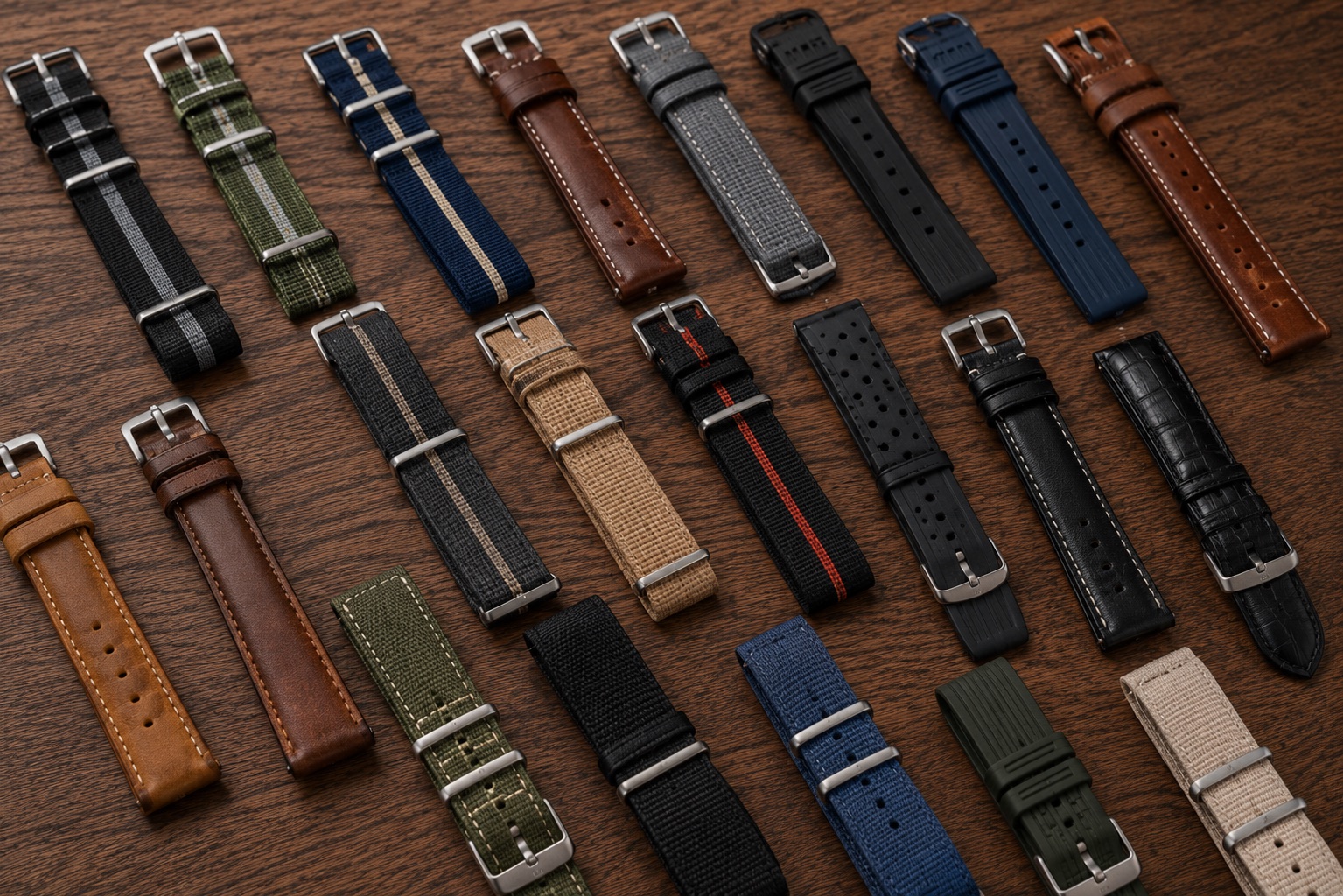 Watch Strap Replacement Guide
Replacing a watch strap is one of the easiest things you can do to a watch — and one of the most overpriced services at a jeweler. Most jewelers charge $20–$50 in labor to swap a strap that takes two minutes with a $5 spring bar tool. For any watch with standard spring bars (which is nearly every watch made in the last 50 years), this is a DIY job. This guide covers when you need a jeweler, what a replacement strap should cost, how to pick the right one, and where to find quality options starting at $6.
16 cheap watch strap replacement guide on other sites
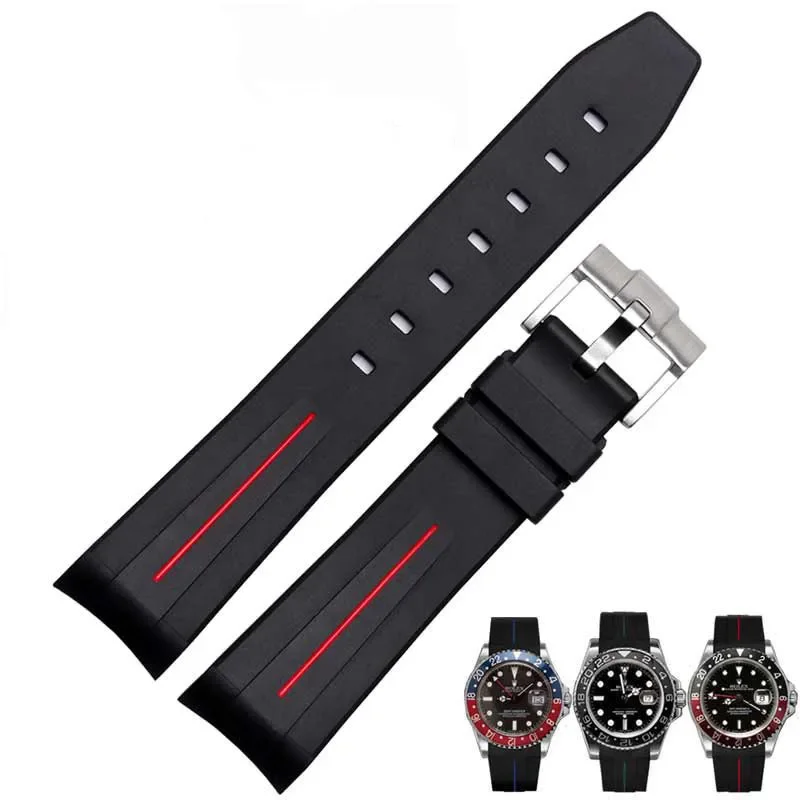
20mm Watch Strap for Omega X Swatch Joint Moonswatch Planet High Quality Rubber Watch Band for Replacement Sports Watch Belt
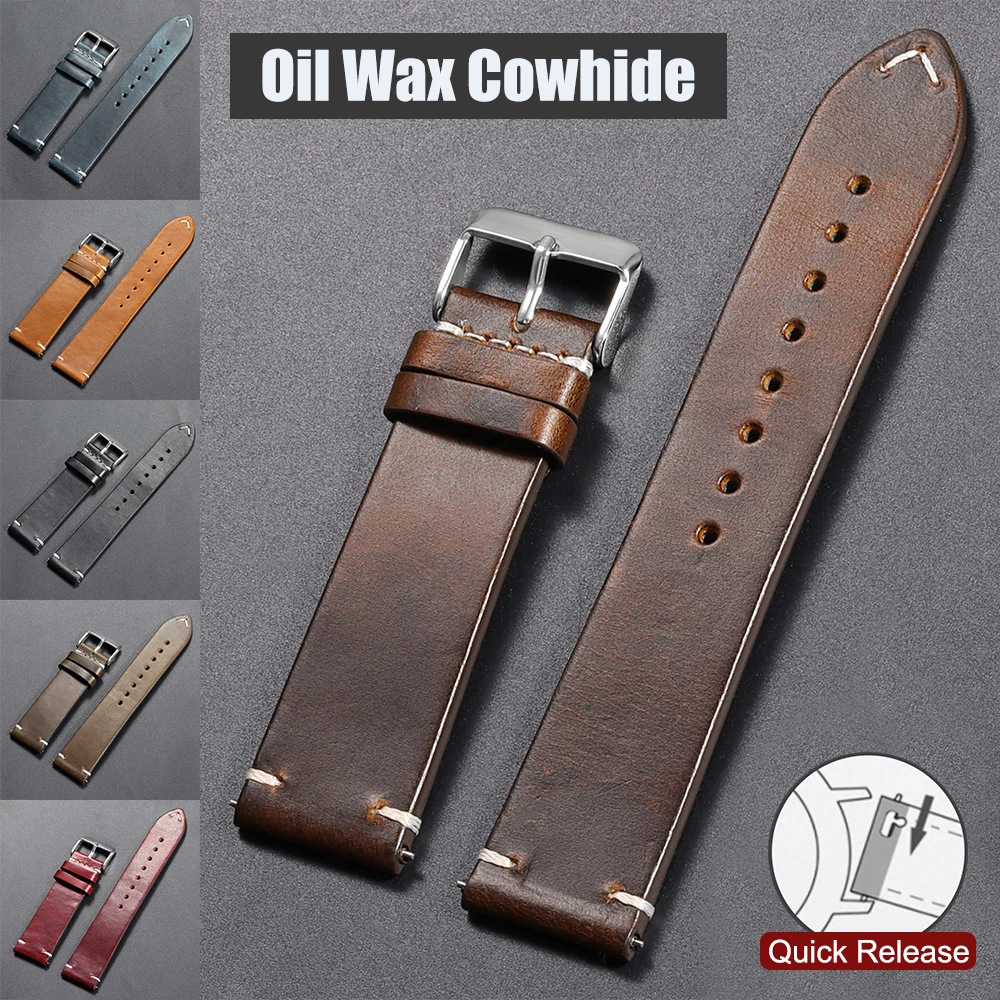
18mm 20mm 22mm Vintage Oil Wax Leather Watchband 19mm 21mm 24mm Universal Stitching Cowhide Strap for Seiko for Omega Watch Band
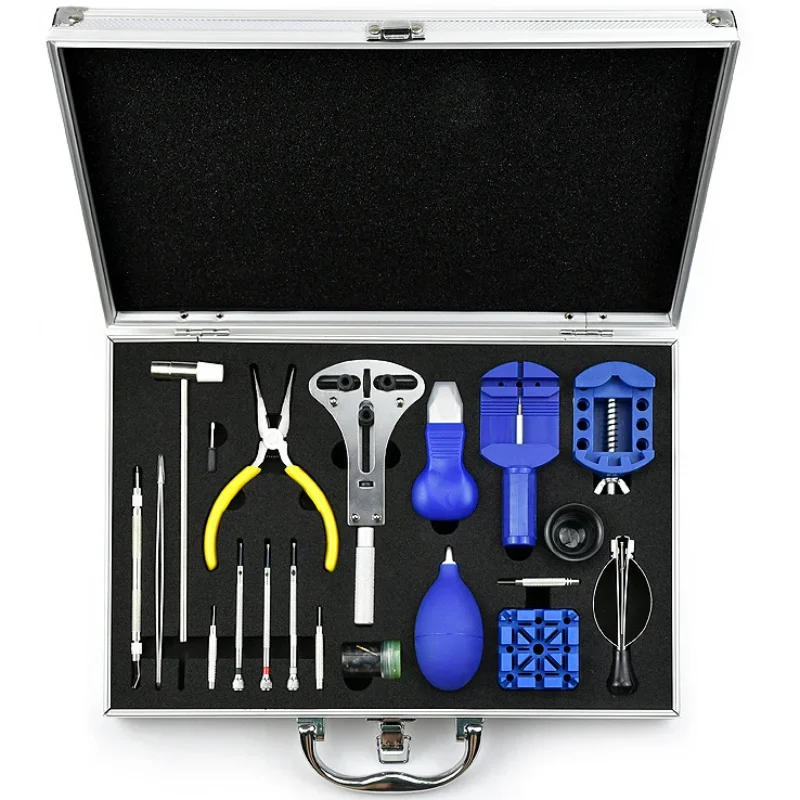
Watch Repair Tool Kit Watch Link Pin Remover Shell Opener Spring Bar Remover Clock Battery Replacement Strap Needle Set Accessor

Watch Band Accessories Repair Tools Metal Bracelet Watchband Opener Strap Replace Spring Bar Connecting Pin Remover Tool
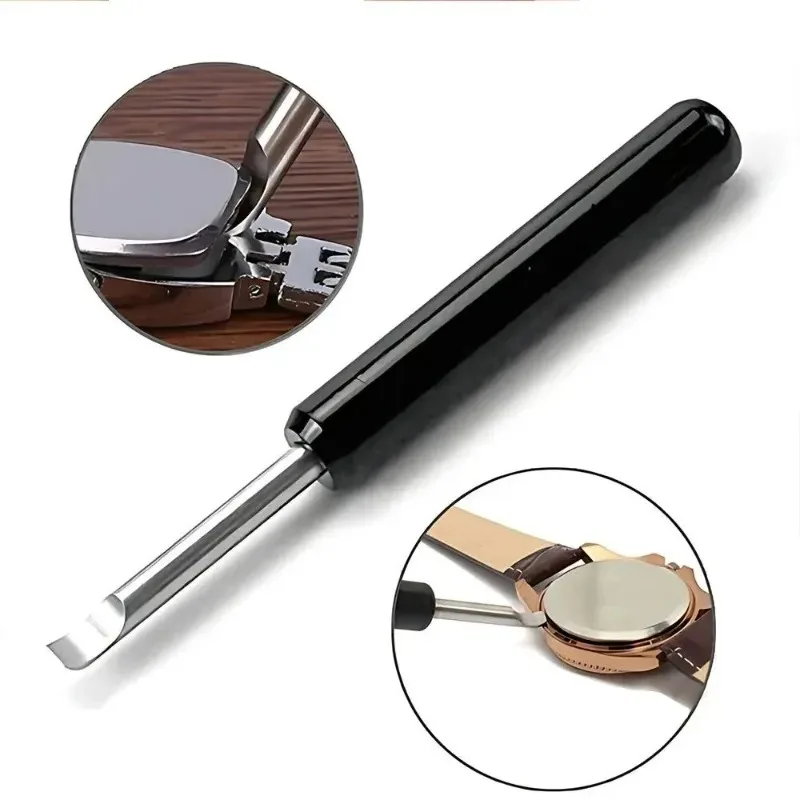
Metal Watch Prying Tool Back Cover Opener Strap Replacement Band Link Pins Remover Watchmaker Repair Kit
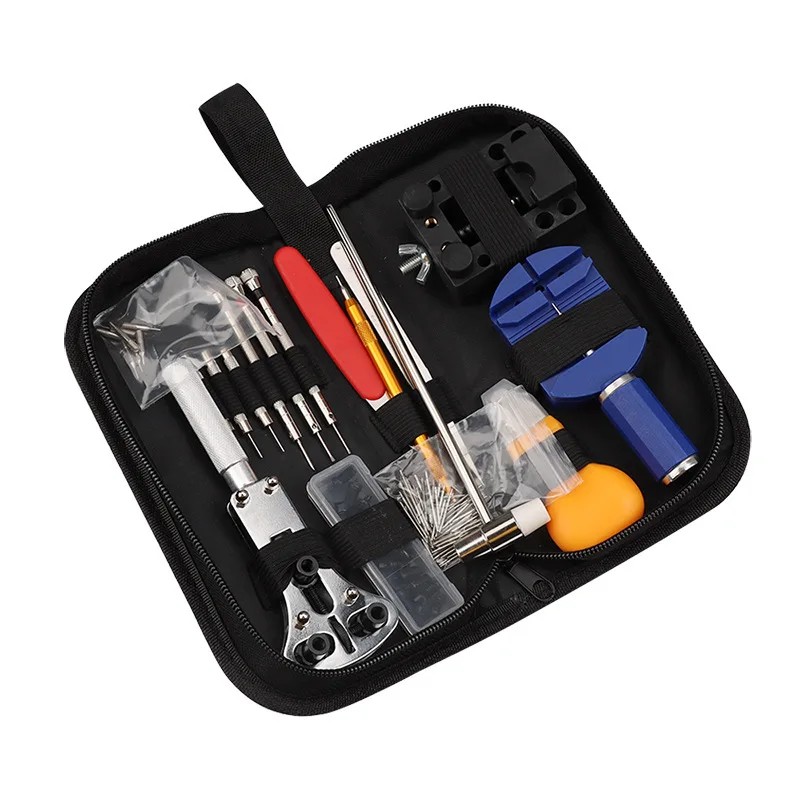
Watch Repair Tool Set Detachable Watch Strap Remover Bottom Cover Holder Fixing Kit Open The Watch Replace The Battery
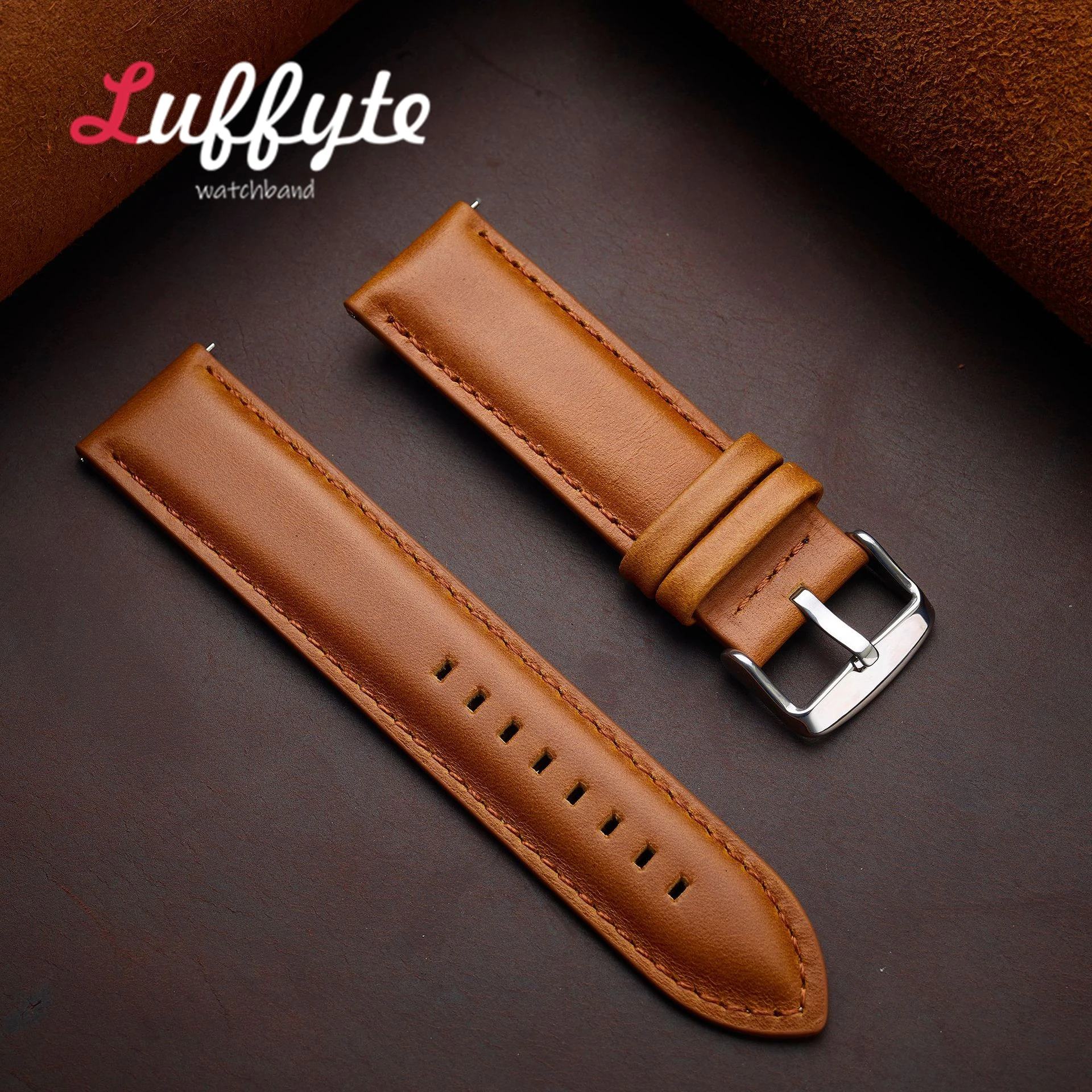
Vintage Leather Watch Strap 20mm 22mm Universal Bracelet Business Black Brown Blue Watchband Accessories Replacement Wristband
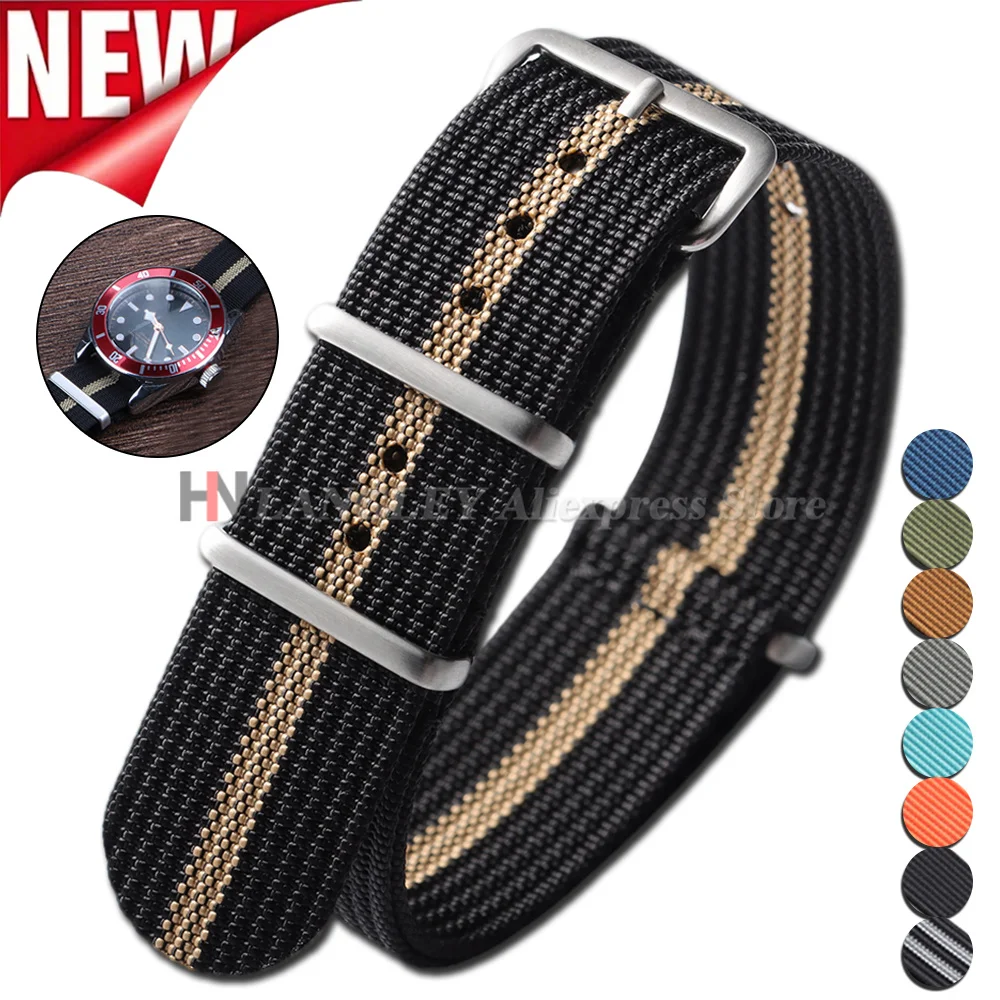
19mm 18mm 20mm 22mm Nylon Watch Band Strap Black Green Military Casual Watchband for Seiko Army Sport Bracelet Replacement Belts
Can you replace a watch strap yourself?
Yes — if your watch has standard spring bars (the small cylindrical pins that hold the strap to the case lugs), you can replace the strap yourself in under two minutes with a spring bar tool. This applies to nearly all traditional watches: Rolex, Omega, Seiko, Tissot, Hamilton, Casio, and thousands of others. The spring bar tool costs $3–$8 for a basic version, $30–$40 for a professional Bergeon. If you prefer no tools at all, replace the current strap with a quick-release strap — these have a small lever tab that releases the spring bar with a fingernail push, making future swaps tool-free in under 10 seconds.
DIY vs taking it to a jeweler
Most jewelers charge $15–$50 to replace a watch strap — labor only, on top of whatever they charge for the strap itself. That labor cost is for a job that takes a skilled person about 90 seconds. The only watches that genuinely need professional strap replacement are those with integrated or proprietary lug systems: certain AP Royal Oak, Patek Nautilus, Hublot, and Richard Mille models where the strap is part of the case design. For any standard watch with a visible gap between the lug ends and standard spring bars, DIY is the right call. If you're uncertain, look at the strap end where it meets the case lugs — if you can see a cylindrical pin (spring bar) sitting in the gap, it's a standard system you can handle yourself.
How much does watch strap replacement cost?
DIY replacement: $6–$25 total. The strap itself costs $6–$20 for quality NATO nylon, leather, or rubber options. A spring bar tool, if you don't have one, adds $5–$8. Quick-release straps cost a little more ($10–$25) but eliminate the tool cost entirely. Professional replacement at a jeweler: $35–$80+ total. Expect $15–$50 in labor plus the jeweler's markup on the strap — often 2–3× what you'd pay buying the same strap directly. For anything other than a high-end watch where warranty concerns apply, DIY is the clear choice on cost. Even for an expensive watch, DIY is mechanically identical to what the jeweler does — there is no special skill involved beyond basic care not to scratch the case.
Choosing the right replacement strap
The first decision is lug width — the measurement in millimeters between the lugs where the strap attaches. This must match exactly. Most sport and dress-sport watches use 20mm (Rolex Submariner, Omega Seamaster, Tudor Black Bay). Larger watches often use 22mm (Seiko SKX, Tudor Black Bay 41, Panerai). Smaller dress watches use 18mm. Check your watch's spec sheet or measure with calipers. The second decision is material: rubber or FKM for water, sports, and everyday active use; leather for office and dress contexts; NATO nylon for casual and versatile wear; milanese or Oyster-style bracelet for a metal look. The third decision is style — padded vs flat, buckle vs deployment clasp, integrated-look curved end vs standard flat end. Match the strap style to the watch's design language: tool watches suit sport straps, dress watches suit flat leather or perlon.
Quick-release straps: the tool-free option
Quick-release straps have a small lever built into each strap end that compresses the spring bar when pressed, releasing the strap without any tool. Swapping takes 5–10 seconds per side. These straps are available in every material — leather, rubber, NATO-style, milanese — and at every lug width. They cost slightly more than standard straps ($12–$25 vs $6–$15) but eliminate the need for a spring bar tool entirely and make future strap swaps trivially fast. If you plan to rotate between multiple straps on the same watch, replacing the existing strap with a quick-release version once is the most convenient long-term setup. Look for 'quick release watch strap [lug width]mm' — the lever mechanism is standard across all brands.
Where to buy replacement watch straps
For affordable replacement straps, budget strap sellers offer the same materials (FKM rubber, genuine leather, G10 nylon) used by premium brands at 80–90% lower cost. A replacement leather strap from Delugs or Horus runs $80–$130; the same genuine calfskin leather with quick-release spring bars is $8–$15 from a well-reviewed budget seller. The key quality signals: 4.5+ star rating with 200+ reviews, clear product photos showing hardware and stitching, and a listing that specifies the exact lug width. Use dupe.watch to match any premium strap to its affordable equivalent — paste a strap URL from any major brand and get matched to options at a fraction of the price.
Frequently asked questions
How much does it cost to replace a watch strap?
DIY watch strap replacement costs $6–$25 total: $6–$20 for the replacement strap plus $5–$8 for a spring bar tool if you don't have one. Quick-release straps ($12–$25) need no tool at all. At a jeweler, expect $35–$80+ — $15–$50 in labor plus the jeweler's markup on the strap itself. For any watch with standard spring bars, DIY is the practical choice: the process takes under 2 minutes and the skill required is minimal.
Can I replace a watch strap myself?
Yes — for any watch with standard spring bars (nearly all traditional watches), you can replace the strap yourself with a $5 spring bar tool in under 2 minutes. Standard spring bars are the small cylindrical pins visible in the gap between the strap ends and the case lugs. Insert the forked end of the spring bar tool to compress the spring bar, slide out the old strap, and slide in the new one. If you prefer no tools, replace with a quick-release strap — these use a small lever tab to release the spring bar with a fingernail push.
Do I need to go to a jeweler to replace a watch strap?
No — for any watch with standard spring bars, you do not need a jeweler. Jewelers charge $15–$50 in labor for a job that takes 90 seconds with a $5 spring bar tool. The only watches that require a jeweler or professional are those with integrated or proprietary lug designs — certain AP Royal Oak, Patek Nautilus, and Hublot models. For standard watches (Rolex, Omega, Seiko, Tissot, Hamilton, any watch with a visible spring bar in the lug gap), DIY is straightforward.
How do I know what size replacement strap to buy?
You need your watch's lug width — the measurement in millimeters between the inside faces of the lugs where the strap attaches. The lug width is listed in your watch's specifications, often written alongside the case diameter (e.g. '40mm case / 20mm lug width'). If you can't find the spec, measure the gap between the inside lug faces with digital calipers. Common sizes: 20mm (most sport and dress-sport watches), 22mm (larger sport watches), 18mm (smaller dress watches). The replacement strap width must match exactly — a 20mm strap will not fit a 22mm watch without a gap.
How long does watch strap replacement take?
With a spring bar tool, replacing a watch strap takes 2–4 minutes including removing the old strap and installing the new one. After a few practice runs, most people get this down to under 90 seconds. With a quick-release strap, the swap takes under 30 seconds total — about 5–10 seconds per side to press the lever tab and pull the strap free, then click the new strap in. The main time sink on the first attempt is learning the spring bar compression angle — once that clicks, subsequent swaps are fast.
What's the best replacement watch strap for everyday wear?
For true everyday wear across all conditions, FKM rubber ($8–$18) or NATO nylon ($3–$8) are the best replacement options. FKM rubber is waterproof, sweat-resistant, easy to clean, and sits flat on the wrist — the same material Omega and Rolex use for their rubber straps. NATO nylon is lighter, available in more colors, dries instantly, and costs half as much. For a split between office and active use, a quick-release leather strap ($12–$20) that swaps out in seconds gives you the leather look at work and the convenience of switching to rubber or NATO for weekends.
Find a dupe for a specific strap
Paste a product URL from any premium strap brand and we'll match it to affordable alternatives.
Try the tool →